
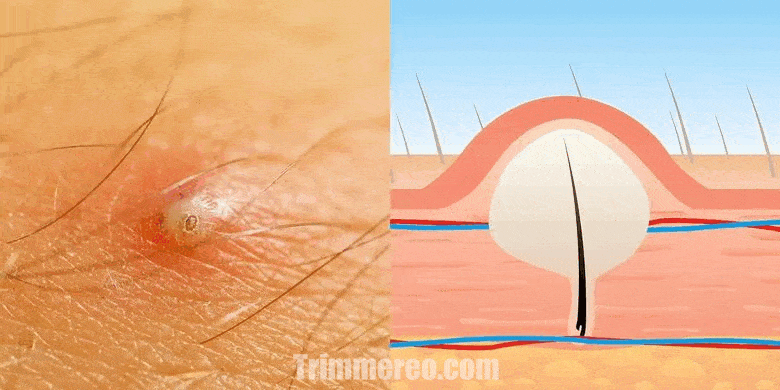
Do you hate dealing with annoying ingrown hairs after using an electric shaver? The answer is Electric shavers themselves don’t cause ingrown hairs, but improper techniques or dull blades can contribute to the problem.
Wait, You’re not alone. Lots of people go through this frustrating problem, but only some know why it happens.
Are electric shavers causing those ingrown hairs? How can you stop ingrown hairs when using an electric shaver? Should you pick an electric shaver or a manual razor to avoid ingrown hairs?
What are signs that your electric shaver is causing ingrown hairs? Can you treat ingrown hairs if they happen after using an electric shaver?
In this article, we’ll look into the link between electric shavers and ingrown hairs. We’ll also give you expert tips on preventing them.
Whether you’re experienced or just starting, this info is important for getting a smooth shave without ingrown hair troubles. So, let’s find out the truth about electric shavers and ingrown hairs.
What Are Ingrown Hairs?
As someone who’s had ingrown hairs, I know how irritating and uncomfortable they are.
But what exactly are they?
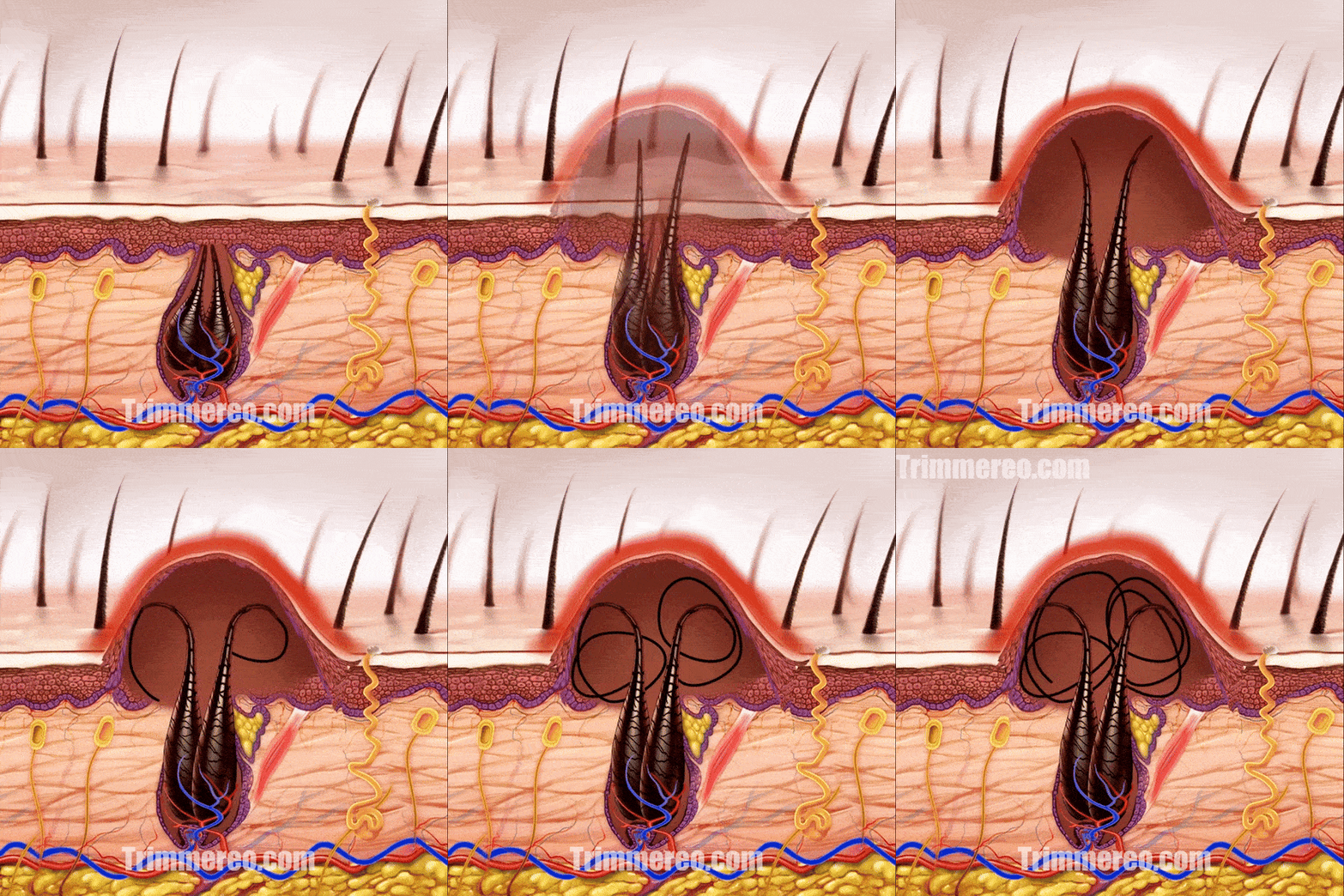
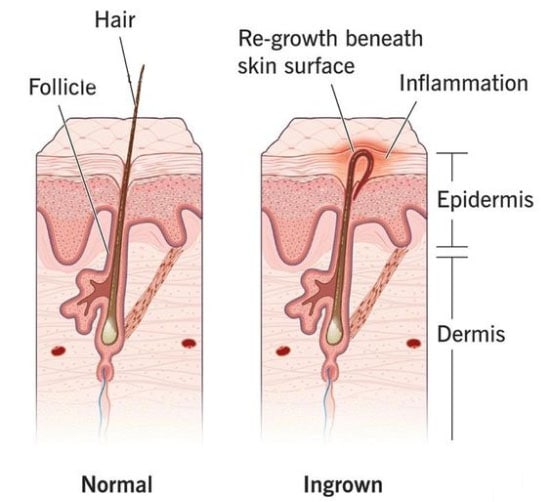
An ingrown hair is a hair that has grown back into the skin instead of rising up from the hair follicle normally. It often happens after shaving, waxing, or plucking hair.
When the hair curls back or grows sideways into the skin, it can cause a small, raised bump that might be red or painful. Sometimes, you can see the hair trapped under the skin.
Ingrown hairs can pop up anywhere hair grows, but they’re most common in places you shave or wax, like the face, neck, underarms, legs, and bikini area.
Several factors can increase the risk of ingrown hairs. Curly or coarse hair, shaving too close or against the hair growth direction, dead skin blocking follicles, tight clothing, and irritating skincare products may all play a role.
If left untreated, they can get infected, leading to more serious problems. That’s why it’s important to prevent and treat them early.
What Are The Main Causes of Ingrown Hairs?
As someone who’s struggled with ingrown hairs, I know how annoying they can be. While there are many things that can cause ingrown hairs, a few common ones are worth mentioning.
Shaving with Dull Blades
One of the top causes of ingrown hairs is shaving with dull blades. When the blades are dull, they can tug on the hair instead of cutting it cleanly. This can make the hair grow back into the skin.
Shaving Against the Grain
Shaving against the grain can also lead to ingrown hairs. Even though it might give you a closer shave, it can make the hair grow back into the skin because it’s cut at an angle.
Excessive Pressure or Irritation
Putting too much pressure or irritating your skin can also cause ingrown hairs. Pressing too hard or shaving too roughly can irritate your skin, making the hair grow back into it.
Curly or Coarse Hair
Curly or coarse hair is more likely to become ingrown because it tends to curl back into the skin as it grows.
Some other things can lead to ingrown hairs:
- Shaving Too Closely: When you shave too closely, you might cut the hair below the skin’s surface, causing it to grow inward as it regrows.
- Dead Skin Cells: If dead skin cells block the hair follicle opening, the hair can’t grow out normally, so it curls back into the skin.
- Tight Clothing: Wearing tight clothing can cause friction against the skin, pushing hairs back into the follicles.
- Improper hair removal: Removing hair the wrong way, such as through waxing, tweezing, or plucking, can cause the hair to break unevenly. As it grows back, it may curl into the skin and lead to an ingrown hair.
Ingrown hairs are usually not serious, but they can be annoying and may sometimes become infected. This can lead to extra pain, redness, or irritation. Treating them gently can help prevent the problem from getting worse.
To avoid ingrown hairs, make sure to use a sharp blade, shave with the grain, avoid putting too much pressure, and be aware of your hair type. By following these steps, you can lower your chances of getting ingrown hairs and have smoother, healthier skin.
What Are Razor Bumps?
As someone who’s dealt with ingrown hairs, I know how annoying and uncomfortable they can be.
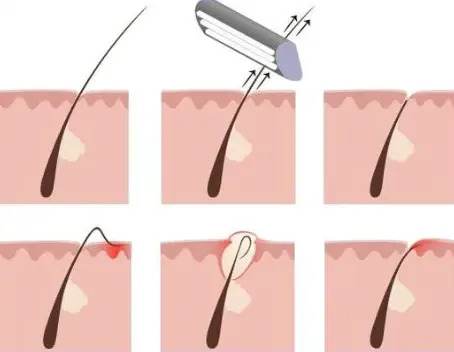
Razor bumps, also called pseudofolliculitis barbae, happen when hair curls back into the skin instead of growing straight out. This can occur if the hair is cut too short or if the hair follicle gets irritated or inflamed.
These bumps usually look like small red or pink bumps on the skin and can feel itchy or painful. They’re most common in areas where you regularly shave, like the face, neck, legs, and bikini area.
While razor bumps aren’t a serious medical issue, they can be bothersome and, sometimes, lead to scarring or infection.
Several things can contribute to getting razor bumps:
- Shaving too closely or often
- Using a dull or dirty razor
- Shaving against the direction of hair growth
- Having curly or coarse hair
- Having sensitive skin
- Using harsh shaving products
If you’re prone to razor bumps, there are steps you can take to prevent them. First, make sure to use a clean, sharp razor and shave in the direction your hair grows.
Consider using shaving products made for sensitive skin and avoid those with alcohol or harsh ingredients. Also, remember to moisturize your skin regularly to keep it healthy and hydrated.
How Do Electric Shavers Work?
As someone who’s used electric shavers for a while, I can tell you they’re convenient and easy to use. But have you ever wondered how they actually work?
Electric shavers usually come in two types: foil or rotary. Foil shavers have a thin metal foil covering the blades to catch the hair as it’s cut. Rotary shavers have spinning blades that move in a circular motion to cut the hair.
Both types use an electric motor to move the blades quickly back and forth or in a circular motion. This movement helps cut hair as the shaver moves across the skin.
One benefit of electric shavers is that they can be used for both dry and wet shaving with cream or gel. Wet shaving may give a closer result because the product can help lift the hairs and create a smoother surface for the blades.
Overall, electric shavers offer a simple and time-saving way to shave. They may not feel as close as a traditional razor, but they make grooming easier by reducing the need for extra steps like applying shaving cream.
Do Electric Shavers Cause Ingrown Hairs?
As someone who’s had ingrown hairs, I wondered if electric shavers could be to blame.
After some research, here’s what I found:
Advantages of Electric Shavers:
- They’re convenient and easy to use.
- Less likely to cause cuts and nicks.
- Can be used on wet or dry skin.
- Don’t need shaving cream or gel, which is good for sensitive skin.
Disadvantages of Electric Shavers:
- They can cause ingrown hairs because they cut hair at a different angle than traditional razors, sometimes making it too short and causing it to curl back into the skin.
- They can also irritate the skin, leading to redness and inflammation, which can contribute to ingrown hairs.
To reduce the chance of ingrown hairs with an electric shaver, use proper shaving techniques and avoid pressing the device too hard against your skin. Keeping the shaver clean can also help prevent bacteria buildup and skin irritation.
Preventing Ingrown Hairs:
As someone who’s struggled with ingrown hairs, I know how frustrating and painful they can be.
Here are some steps to prevent them when using an electric shaver:
- Exfoliate Regularly: Get rid of dead skin cells and debris that can block hair follicles. You can do this by gently scrubbing your skin with a loofah, scrub, or exfoliating brush before shaving.
- Use a Sharp Blade: Make sure your razor blade is sharp. Dull blades can pull and twist hair, causing it to grow back into your skin. Replace your blades regularly for a clean shave.
- Lubricate Your Skin: Before shaving, lubricate your skin with shaving cream, gel, or oil. This helps your razor glide smoothly over your skin, reducing irritation and the chance of ingrown hairs.
- Choose the Right Electric Shaver: Pick an electric shaver that suits your skin type and hair texture. Some shavers have adjustable settings for a customized shave. Find one that works best for you.
By following these steps, you can lower the risk of ingrown hairs when using an electric shaver. Remember to exfoliate, use a sharp blade, lubricate your skin, and choose the right shaver for a smooth and irritation-free shave.
How to Treat Ingrown Hairs:
If you have ingrown hair, you can treat it at home with some simple steps. Here’s what you can do:
- Clean the Affected Area: Start by washing the area with mild soap or cleanser to remove dirt and bacteria. Rinse well with warm water and pat dry with a clean towel.
- Apply Heat: Using a warm compress, like a warm washcloth, or taking a warm bath or shower can help reduce inflammation and promote healing. Just make sure the water isn’t too hot to avoid irritating your skin.
- Use an Exfoliating Scrub: Exfoliating helps remove dead skin cells and prevent future ingrown hairs. Use a gentle scrub or exfoliating brush to loosen the hair and allow it to grow out properly. Avoid harsh scrubs to prevent skin damage.
- Use antibiotics or retinoids: If an ingrown hair becomes infected, a doctor may recommend antibiotics or retinoids to help treat the issue and prevent further problems. Always follow your doctor’s instructions carefully.
Remember to be gentle with the affected area and avoid picking or squeezing the hair to prevent further irritation and scarring.
How to Treat Razor Bumps:
If you’re dealing with razor bumps, there are a few things you can do to treat them:
- Apply Tea Tree Oil or Witch Hazel: These natural remedies can soothe and reduce inflammation on irritated skin. Apply a few drops to a cotton ball and gently dab it onto the affected area.
- Use a Facial Scrub: Look for a gentle facial scrub containing glycolic or salicylic acid to exfoliate the skin and prevent ingrown hairs. Use it once or twice a week to keep your skin smooth and healthy.
- Hydrate Your Skin: Moisturizing is essential for preventing razor bumps. Use a moisturizer with hyaluronic acid to lock in moisture and prevent dryness after shaving.
Treating razor bumps often involves gentle exfoliation, soothing ingredients, and good skin hydration. These steps may help prevent ingrown hairs and keep your skin healthier. These tips can help you achieve smooth, bump-free skin.
FAQs:
Can electric shavers cause ingrown hairs?
Electric shavers do not directly cause ingrown hairs. But, using the wrong shaving technique or a dull blade may increase the chance of developing them.
How can I prevent ingrown hairs with an electric shaver?
Prepare your skin by exfoliating and using pre-shave oil. Use a quality electric shaver with sharp blades and shave in the direction of hair growth.
Should I use an electric shaver or a manual razor to prevent ingrown hairs?
Both can work, but electric shavers may be better for sensitive skin or those prone to razor burn.
What are signs my electric shaver is causing ingrown hairs?
Look for redness, irritation, or bumps after shaving. Adjust your technique or try a different shaver if you experience these symptoms.
Can ingrown hairs from electric shavers be treated?
Yes, you can treat them with gentle exfoliation, warm compresses, and topical creams to prevent infection.
Are there any special precautions for using an electric shaver?
Yes, a few simple steps can help you shave more safely with an electric shaver. Clean your skin and make sure it is properly lubricated before shaving to reduce friction and irritation.
Try not to press the shaver too hard against your skin. Shaving in the direction of hair growth may also help lower the risk of ingrown hairs.
Can ingrown hairs lead to scarring?
In some cases, ingrown hairs may cause scars, especially if they become infected or are irritated again and again. Treating them early and avoiding picking or squeezing can help reduce the chance of scarring.
What should I do if I develop a severe reaction to shaving?
If you have a severe reaction after shaving, such as heavy redness, swelling, or ongoing pain, stop shaving and seek medical advice.
A healthcare professional can check your symptoms and suggest the right treatment to ease discomfort and help prevent further problems.
Final Words
In conclusion, taking proper care when shaving with an electric shaver and following these tips can help minimize the risk of ingrown hairs and maintain healthy skin.
If the issue does not improve or your reaction gets worse, it may be time to seek medical advice. A healthcare professional can help identify the cause and suggest a treatment that suits your situation.
Leave a Reply