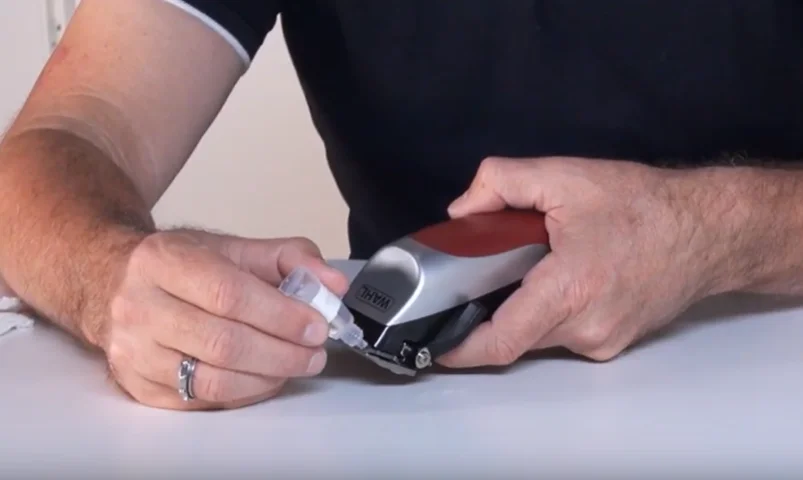
Have you ever been in the middle of a haircut when your clippers started to pull? Or maybe the blades felt too hot on the skin? As a grooming expert, I have seen this many times. It happens when your blades get dry. Dry blades can hit 140°F very fast. This heat can burn your skin and ruin your tools.
What do you do if you run out of that tiny bottle of oil? You do not have to stop! You can find many hair clipper oil alternatives in your home right now. Simple things like mineral oil work very well. Baby oil is another good choice that is readily available.
In this guide, I will help you find the best oil for your tools. I will show you what is safe to use and what you must stay away from. I will share my pro tips to keep your tools running like new. Let’s make sure your blades stay sharp, cool, and quiet.
Why Your Clippers Need Love: The Magic of Friction
Think of your hair clipper like a tiny car engine. The blades move back and forth very fast. In fact, some hit 10,000 strokes every minute. When two metal parts rub together that fast, they get hot. This is called friction.
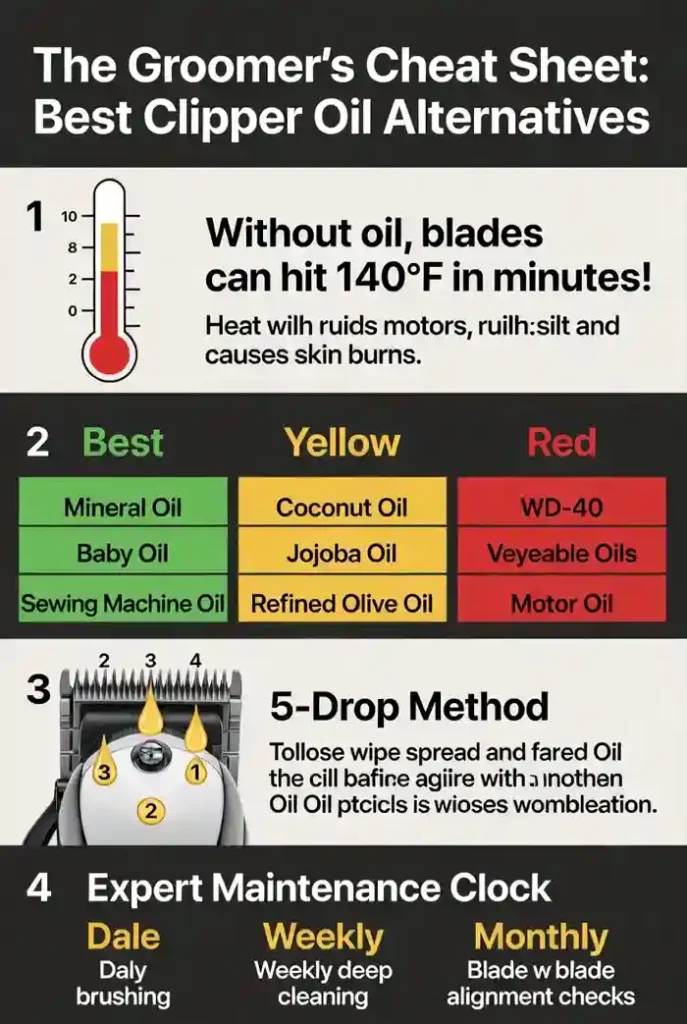
If you don’t use oil, the blades can reach 140°F. That is hot enough to burn your skin! Oil creates a thin film that lets the blades glide. It also stops rust and keeps the motor from working too hard.
What is in Professional Clipper Oil?
Most big brands like Wahl and Andis use highly refined mineral oil. This oil is clear and has no smell. It is also fragile. This is important because it needs to get into small gaps without getting sticky.
The Best Household Alternatives
If you can’t find real clipper oil, don’t worry. You likely have a great substitute in your home right now.
1. Mineral Oil (The Best Choice)
Mineral oil is the main ingredient in most clipper oils anyway. It is very thin and can handle high heat. You can find it at most drugstores. It is safe for your skin and won’t get gummy over time.
2. Baby Oil
Baby oil is mostly mineral oil with a little bit of scent. It works great in a pinch because it is thin and easy to find. It is safe for babies, so it is definitely safe for your scalp. Just watch out if you are sensitive to fragrances.
3. Sewing Machine Oil
Some people worry about this one, but it is actually a secret pro tip. High-quality sewing machine oil is almost the same as clipper oil. It is a light mineral oil that won’t attract dust or lint. It keeps the blades humming instead of whining.
Natural and Kitchen Shelf Options
If you want to stay natural, you can use oils from your kitchen. But be careful! Some are better than others.
- Jojoba Oil: This is the luxury choice. It mimics the natural oils on your skin. It is great for high-end clippers and won’t irritate your pores.
- Coconut Oil: This is very popular because it kills germs. It feels smooth and smells great. But if your room is cold, it can turn solid. This can jam your blades if you aren’t careful.
- Refined Olive Oil: This works for a quick fix. It is safe and gentle. But do not use “Extra Virgin” olive oil. It can’t handle high heat and might get sticky over time.
The “No-Go” Zone: What to Avoid
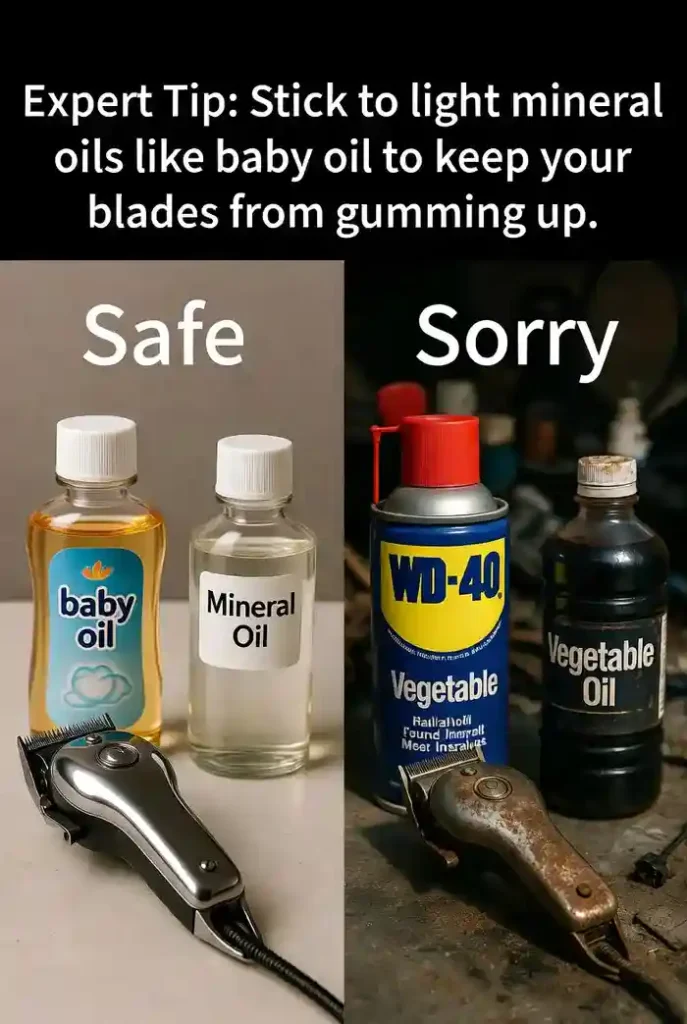
Some products can actually hurt your clippers. Stay away from these:
- WD-40: Many people think it’s a lubricant, but it’s actually a solvent. It can strip away the real grease in your motor. It is also not great for skin contact.
- Vegetable Oils: Corn or canola oil might work for five minutes, but they go rancid. They get very sticky and will eventually smell bad.
- Heavy Oils: Never use motor oil or grease. They are way too thick and will burn out your motor.
The Pro 5-Point Oiling Standard
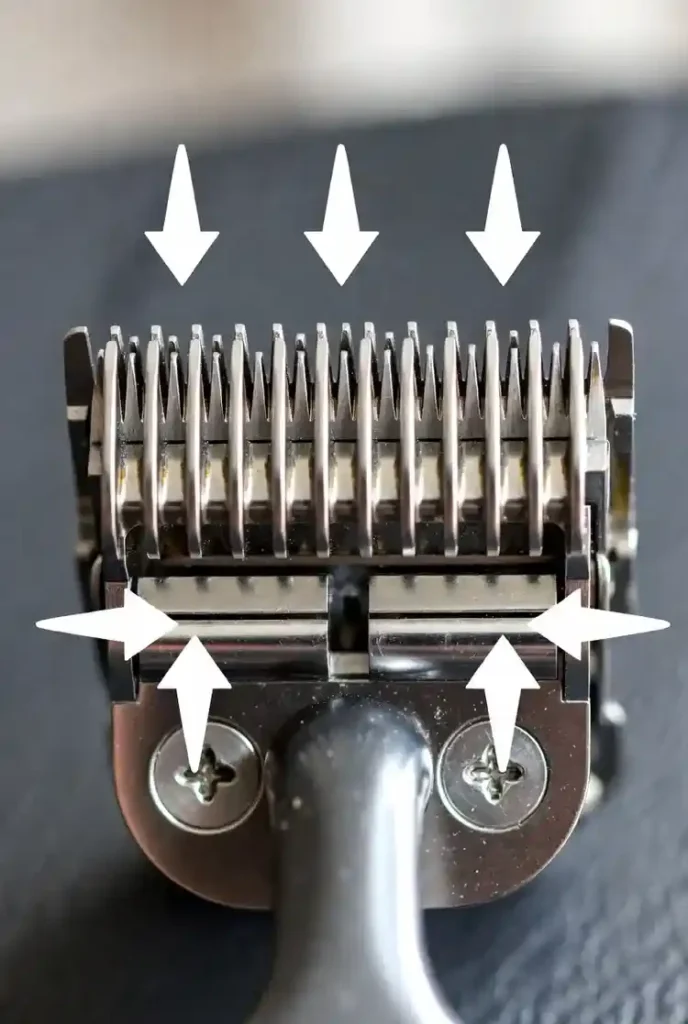
To get the most out of your oil, follow this 5-point method I use every day:
- Clean it first: Use a small brush to get all the hair out.
- Apply the drops: Put three drops on the teeth (left, middle, right). Then put one drop on each back rail.
- Run the motor: Turn the clippers on for 10 seconds. This spreads the oil everywhere.
- Wipe the excess: Use a clean cloth to wipe off any extra oil. You don’t want it dripping on your neck!
How to Spot a Failing Clipper
If you hear a loud rattling noise, your blades are likely dry. If they start pulling or tugging your hair, they need oil fast. Keeping them oiled will make them last for years instead of months.
Common Questions (FAQs):
What is the best thing to use if I run out of clipper oil?
Mineral oil is the best pick. It is thin and clear. Baby oil works well, too. It is mostly mineral oil with a nice smell. Both stay thin and do not get sticky when the blades get hot.
Can I use WD-40 on my hair clippers?
No, stay away from WD-40. It is a solvent, not a real lubricant. It can dry out the metal. It can also get into the motor and cause damage. It may even irritate your skin.
Is sewing machine oil safe for my tools?
Yes, it is a great match. High-quality sewing machine oil is a light mineral oil. It has the thin feel that clippers need to run fast. It will not gum up the moving parts.
How many drops of oil do I really need?
Less is more. Use just 2 or 3 drops along the teeth. Put one drop on each back rail, too. Too much oil can attract hair and dust, which creates a mess.
Do I need to clean the blades before oiling them?
Yes, always brush away the hair first. If you put oil on top of old hair, it makes a sticky paste. This can dull your blades and slow down the motor.
Summary:
Taking care of your clippers is the best way to save money and get a great cut. If you run out of the oil that came in the box, do not worry. You have great choices in your home right now.
Clear mineral oil and baby oil are the top hair clipper oil alternatives. They stay thin and handle heat very well. Sewing machine oil is also a secret pro pick that works just like the real thing.
Just remember my pro tips. Always brush away old hair before you add new oil. Avoid WD-40 and heavy motor oils, as they can ruin your blades and irritate your skin.
Keep your tools clean and oiled. This small step keeps them quiet, cool, and sharp for years. Your clippers—and your skin—will thank you!