
Shaving is a common grooming practice that is essential for personal hygiene and style. But, if mishandled, it can irritate. You may also experience razor burn, ingrown hairs, and other skin irritations. One of the most debated topics in shaving is whether to shave with or against the grain.
We found that shaving against the grain gives the closest shave. We learned this from both research and our own use. But is it safe to do? Can it cause problems? Are there other ways to shave? And what kind of razor should you use?
We will also explain how to find the direction your facial hair grows. We will show which shaving tools work best for each method. By the end of this article, you will grasp each shaving style. You will also know how to pick the best one for you. So keep reading to learn all the simple details.
What is Grain & How to Determine it?
Have you ever wondered what the direction of your facial hair growth is? This is known as your shaving grain, and it’s important to understand before you start shaving. But how do you determine it?
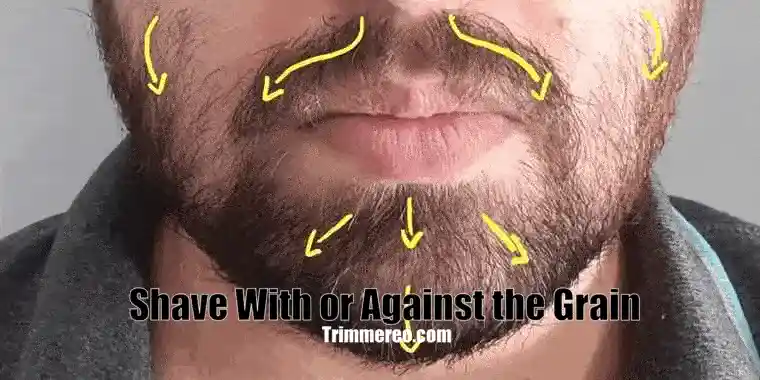
Taking pictures of your face from every angle can take a lot of time. We have an easy solution for you. While hair growth patterns can differ, there are a few areas that have similar trends. For example, mustache and chin hair typically grow downwards, while neck hair grows upwards. This is universal for most men.
To find out how your facial hair grows, take pictures of your cheeks, sideburns, jawline, and lower areas. Then, mark the growth pattern on the photos. This will help you understand your shaving grain. Since you already know some common areas, you won’t need to take as many pictures.
Now that you’ve determined your shaving grain, let’s dive into each shaving technique. Before we go on, remember that shaving against the grain can cause irritation. It can also cause razor burn and ingrown hairs. So, it’s crucial to understand the pros and cons of each technique before deciding which one is right for you.
We will explore different shaving techniques. These include shaving with the grain, across the grain, and against the grain. We’ll also provide tips on which razor is best for each technique. So, whether you’re a seasoned shaver or a newbie, keep reading to learn everything you need to know about each shaving technique.
Shaving With the Grain (WTG)
Shaving with the grain means following the natural direction of your hair growth. Experts consider this method the safest and most comfortable way to shave. Here are the advantages of shaving with the grain:
Pros
What we liked
- Prevents razor burn, skin irritation, and ingrown hairs
- Comfortable shave
- Ideal for sensitive skin guys
Cons
What we didn’t like
- Close shave not achievable
Though shaving with the grain doesn’t work when trying to achieve a close and clean shave, most men still prefer this shaving technique. Since most men adopt it and it’s even harmless, you must know how to do it.
Reduces skin irritation and razor burn
Shaving with the grain can reduce skin irritation and razor burn because it’s gentler on the skin. When you shave against the grain, the razor blade pulls and tugs at the hair, increasing the risk of skin irritation and razor burn.
Suitable for sensitive skin types
If you have sensitive skin, shaving with the grain is your best option. It’s less likely to cause skin irritation or razor burn, which can be painful and uncomfortable. Shaving with the grain is also a great option for people who are prone to razor bumps and ingrown hairs.
Effective for removing shorter hair
Shaving with the grain is more effective for removing shorter hair because it cuts the hair in the same direction as it grows. This method helps to prevent hair from getting caught between the blade and skin, which can cause cuts and nicks.
How to Shave With The Grain?
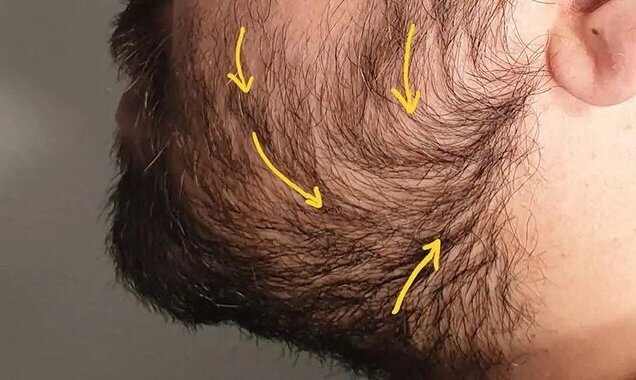
How to Shave With The Grain? After determining the shaving grain, it’s time to put that knowledge into action by shaving with the grain. Follow these simple steps to get the perfect shave:
Step 1: Cleanse Your Face
Before shaving, it’s essential to clean your face thoroughly to remove any dirt and debris. A clean face ensures that your razor doesn’t clog and makes for a smoother shave. It’s also important to soften the beard hair with warm water, which will make it easier to shave.
Step 2: Apply Shave Gel
Invest in a high-quality shaving gel that contains natural ingredients. Whether you prefer a transparent gel or one that completely coats your facial hair, the gel will provide lubrication for a smoother shave.
Step 3: Shave in the Direction of the Grain
Always use a fresh razor blade when shaving, and ensure that the blade is clean and sharp. Now that you’ve determined the direction of your hair growth, shave in the same direction for a smoother shave. Shaving with the grain is less irritating to the skin and minimizes the risk of cuts and nicks.
Step 4: Rinse Your Razor After Each Stroke
After every stroke, rinse your razor under hot water to remove any hair and shave gel. This will prevent your razor from clogging and ensure a smoother shave. You can also tap your razor gently on the side of the sink to remove any stubborn build-up.
Step 5: Shave Tricky Areas Carefully
Certain areas, like the upper lip, require more attention and patience while shaving. To shave the upper lip area, it’s recommended to widen your upper lip by bending your lip line inward. Start shaving downwards from under your nose in the direction of hair growth.
Step 6: Shave the Neck Area
The neck area is another tricky area that requires shaving in both upward and downward directions. Begin by shaving downwards to the Adam’s apple, then flip the razor and shave upward to shave the hair below the Adam’s apple.
Following these steps will help you achieve a smooth and close shave without any irritation or inflammation. Remember to shave slowly and gently to avoid any cuts or nicks. With these tips, you’ll be able to shave with the grain like a pro.
Shaving Against the Grain (ATG)
Shaving against the grain means shaving in the opposite direction of your hair growth. This method provides a closer shave but can be more uncomfortable and pose more risks than shaving with the grain. Here are the advantages of shaving against the grain:
Pros
What we liked
- Achieve a close shave.
- Smoother results
- Works well on thick and coarse hair
Cons
What we didn’t like
- Risk of razor bumps, irritation, nicks, and cuts
- Not ideal for sensitive skin
Provides a closer shave
Shaving against the grain provides a closer shave because it cuts the hair below the surface of the skin. This method is ideal for achieving a clean-shaven look and can make your skin feel smoother and softer.
Ideal for thicker, coarser hair
If you have thicker, coarser hair, shaving against the grain can be more effective. This method helps you remove hair that you might miss when shaving with the grain.
Lasts longer before shaving again
Shaving against the grain can make your skin feel smoother for longer periods than shaving with the grain. This method removes hair below the surface of the skin, which takes longer to grow back.
How to Shave Against the Grain?
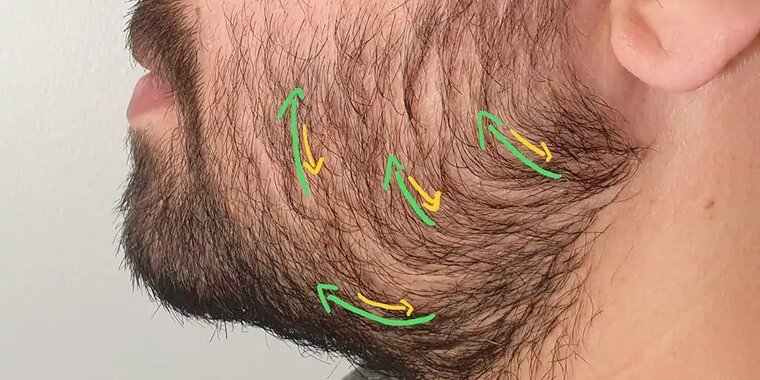
As you now know how to determine your shaving grain, let’s focus on how to prep and shave with the grain. This technique is especially useful for those with thick and coarse hair, but it’s essential to prepare your skin before shaving.
Firstly, it’s important to hydrate your skin by either shaving under the shower or by applying warm water for at least three minutes. This will soften your hair and reduce the force required during shaving.
Next, apply a shave gel or cream to your face. We recommend using Gillette’s shaving cream as it is affordable and high-quality. This will help against irritation, hydrate your skin, and offer a close and smooth shave.
Once you are ready, please pick up a razor and a razor blade and wash them under warm water. It’s crucial to start shaving with the grain, especially the first time you shave. You can determine the grain by running your fingers or a credit card over your face, and the area that feels scruffy is against the grain.
Shaving with the grain can help prevent redness, itching, and irritation. If you still find stubble, you can flip your razor and shave in the direction of hair growth. Make short strokes and move your razor slowly without applying too much pressure.
Lastly, after shaving your facial hair, don’t forget to apply aftershave to restore moisture levels and minimize irritation and razor bumps.
The Risks of Shaving Against the Grain
Shaving against the grain poses several risks that can lead to skin irritation, ingrown hairs, cuts, and nicks. Here are some of the risks associated with shaving against the grain:
- Skin irritation and razor burn: Shaving against the grain can cause skin irritation and razor burn because it pulls and tugs at the hair, increasing the risk of irritation and inflammation.
- Ingrown hairs: Shaving against the grain can cause ingrown hairs because it can push the hair back into the skin, causing inflammation and infection.
- Increased risk of cuts and nicks: Shaving against the grain can increase the risk of cuts and nicks because the razor blade is more likely to catch on the skin.
It’s essential to use proper technique and a sharp razor when shaving against the grain to minimize these risks.
Shaving Across the Grain (XTG)
Horizontal shaving is a newer way to shave. It can give good results and still be kind to your skin and face. Instead of shaving up and down, you shave across your face. This means the razor moves side to side.
This method can give a smooth shave and help prevent skin trouble. It can reduce redness and bumps. It works well for people with sensitive skin. It also helps in spots that are hard to shave.
We will discuss the specific set of razors required for horizontal shaving later in the article. While it may cause less irritation than shaving against the grain, it is still not as close a shave as you would get with that technique.
Pros
What we liked
- Simple and easy to learn
- Good for sensitive skin and tricky areas
- Less chance of razors clogging up
Cons
What we didn’t like
- May cause irritation
Since it requires horizontal passing of razors, there is no such method as the other two techniques. For your reference, we have attached a video tutorial:
Finding the Right Direction for Your Hair and Skin Type
Before you decide whether to shave with or against the grain, it’s important to understand your hair and skin type. Here are some tips to help you find the right direction for your hair and skin type:
- Determine your hair growth direction: Before you start shaving, take a closer look at your hair growth direction. Run your hand over your skin, and feel which way the hair is growing. This can help you determine whether to shave with or against the grain.
- Consider your skin type: If you have sensitive skin, it’s best to shave with the grain to avoid irritation and razor burn. If you have thicker, coarser hair, you may need to shave against the grain for a closer shave.
- Experiment with both methods: Try shaving with and against the grain to see which method works best for your hair and skin type. Pay attention to how your skin feels after each method, and adjust accordingly.
Tips for Shaving with the Grain
If you’ve decided to shave with the grain, here are some tips to help you get the best results:
- Use a sharp razor: A dull razor can tug at the hair and cause irritation, so make sure to use a sharp razor for the smoothest shave.
- Use shaving cream: Shaving cream can help to lubricate your skin and reduce the risk of cuts and nicks.
- Don’t press too hard: Pressing too hard with the razor can cause irritation and cuts, so use a gentle touch when shaving.
- Shave in the shower or after a shower: The warm water can help to soften the hair and make it easier to shave.
Tips for Shaving Against the Grain
If you’ve decided to shave against the grain, here are some tips to help you get the best results:
- Stretch your skin: Stretching your skin can help to create a smooth surface for the razor blade and reduce the risk of cuts and nicks.
- Use a sharp razor: As with shaving with the grain, make sure to use a sharp razor to minimize the risk of skin irritation and cuts.
- Shave in the shower or after a shower: The warm water can help to soften the hair and make it easier to shave.
- Use short strokes: Using short strokes can help minimize the risk of cuts and nicks.
What Kind of Razor Is Best To Shave With Or Against The Grain?
In the market, you can find two types of razors: Single Blade and Multi-Blade.
Let’s take a closer look at the differences between them:
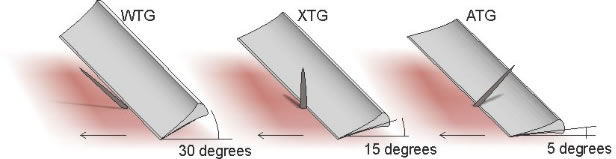
Single Blade Razors: These razors have a single side exposed to the skin, and they come in safety or straight razor styles. They work well with all shaving techniques and are suitable for people with sensitive skin or thick, coarse hair. They don’t cut hair close to the skin, which helps prevent razor bumps.
Multi-Blade Razors: These razors have multiple blades and can achieve the desired results in one stroke. They have lift and cut technology that lifts the facial hair and cuts it quickly. Use Multi-blade razors only for shaving with the grain and avoid other shaving techniques.
Now that we have covered shaving with, against, and across the grain, let’s answer some commonly asked questions.
FAQs:
Q: What does it mean to shave with or against the grain?
A: Shaving with or against the grain refers to the direction in which you move your razor over your skin to shave your facial hair. Shaving with the grain means moving the razor in the same direction as the hair growth, while shaving against the grain means moving the razor in the opposite direction of the hair growth.
Q: Is it better to shave with or against the grain?
A: It depends on your skin type, hair type, and personal preference. Shaving with the grain is generally considered to be less irritating and a safer option, especially for those with sensitive skin. Shaving against the grain can result in a closer shave, but it can also increase the risk of razor burn, bumps, and ingrown hairs.
Q: How do you determine the direction of hair growth?
A: To determine the direction of hair growth, run your fingers or a credit card over your skin. The area that feels rough or stubbly is against the grain. Start by shaving with the grain for the first pass, and then shave against or across the grain for subsequent passes if you prefer.
Q: What are the benefits of shaving with the grain?
A: Shaving with the grain can reduce the risk of irritation, razor burn, bumps, and ingrown hairs. It is also a good option for those with sensitive skin or coarse hair. Shaving with the grain can still achieve a close shave, and it is a safer technique for beginners.
Q: Can you shave against the grain with a multi-blade razor?
A: Yes, you can shave against the grain with a multi-blade razor, but it is not recommended. When you use multi-blade razors against the grain, they lift and cut the hair, which can increase the risk of irritation, razor burn, and ingrown hairs.
Q: What type of razor should I use to shave with or against the grain?
A: Use a single blade razor or a safety razor for shaving with or against the grain. Single blade razors work well with all shaving techniques, while multi-blade razors are best for shaving with the grain only. It is important to use a sharp and clean razor to avoid irritation and razor burn.
Q: Is it okay to shave across the grain?
A: Yes, you can shave across the grain to achieve a closer shave with less risk of irritation compared to shaving against the grain. Use a single blade razor or a safety razor for this technique. Shaving across the grain can also be useful for hard-to-reach areas on the face.
Final Thought:
Shaving with or against the grain is a personal choice that depends on your hair and skin type. Shaving with the grain is the safest and most comfortable way to shave and is ideal for people with sensitive skin. Shaving against the grain provides a closer shave but can be more uncomfortable and pose more risks. Whichever method you choose, make sure to use proper technique and a sharp razor to get the best results.