
How often should you trim your hair to keep it healthy, neat, and easy to manage? Wait too long, and split ends can build up. Your style may also start to look messy. But trimming too often is not needed for everyone.
The right trimming schedule depends on your hair length, texture, style, and growth rate. Regular trims can help remove damaged ends and keep your haircut in shape. They do not make your hair grow faster, but they can help it look healthier as it grows.
In this guide, I’ll explain how often to trim different hair types and lengths. I’ll also cover the signs that you may need a trim and what to do when growing your hair out. You’ll also find a few simple tips to keep your ends healthy and your hairstyle looking fresh.
Table of Contents:
How fast does hair grow?
How often you cut your hair depends on how fast it grows and the style you want to keep. Everyone’s hair grows at a slightly different rate. On average, hair grows about half an inch each month, or around six inches a year.
Growth can vary due to hormones, certain health issues, and even some supplements. Seasons may also play a role. Hair can grow a little faster during warmer months. So, if you want longer hair, regular trims and small dusting cuts can help keep the ends in good shape.
There is no single answer to how often you should trim your hair. It depends on your desired length, growth rate, and the condition of your hair.
Trimming your hair does not make it grow faster. That common belief is simply not true. What regular trims can do is remove damaged ends and help prevent breakage. This can make it easier to keep your length as your hair grows.
Even when you are trying to grow your hair, occasional trims can still help. You can simply leave more time between each visit. A salon visit every 8 to 12 weeks, or about two to three months, is a common starting point. This can help keep split ends under control while you continue to gain length.
Why do we need to trim hair?
Some people may ask why hair needs to be trimmed at all, especially if they intend to grow their hair. However, there are benefits to ensuring that even long hair is regularly trimmed.
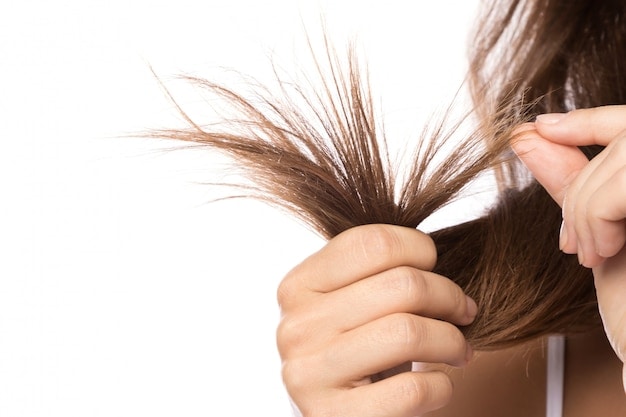
If the hair is not given frequent trims, eventually, the ends will become broken and damaged. Split ends will spread up the hair shaft causing hair to look frizzy, to be unmanageable, and to be prone to breakage and further damage.
How often should you trim your hair?
Not sure when to book your next haircut? Your stylist knows your hair best. Still, if you forgot to make your next appointment, these general time frames can help.

If you have short hair:
Short hair usually needs more frequent trims. A cut about once a month can help keep the shape in place. This is especially true for styles with clean lines or a set shape.
Without regular trims, short hair can grow out quickly and lose its style. It may also become harder to manage.
If you have medium-length hair:
Medium hair gives you more room between trims. You can usually wait around 6 to 8 weeks.
This helps keep the length while keeping the ends neat. You can also book a quick touch-up for bangs or face-framing pieces when needed.

If you have long hair:
Long hair can also go around 6 to 8 weeks between trims. Regular cuts help keep the ends in good shape and maintain the overall style.
You may still need small trims between visits if you have bangs or layers around the face.
If you have bangs:
There is no fixed rule for bangs. It really depends on the style and how fast they grow.
Trim them when they start getting in the way or losing their shape.

Very short baby bangs may need trims more often. Curtain bangs, on the other hand, can grow out with less fuss.
If you have curly hair:
Curly hair often needs fewer trims. Philip B, a well-known hair care expert, says people with curls can usually wait longer between haircuts.
There are many curl types and patterns. One of the main signs that you need a trim is a change in your curl shape or definition.
Are your curls looking flat, uneven, or less defined? That may be a good time for a trim. Pay attention to how your curls look and feel. They can tell you a lot.

Note: Has it been a long time since your last haircut? A fresh style may be a good idea. Short, precise cuts like pixies and undercuts can need trims as often as every two weeks.
Longer styles usually need less upkeep. This is especially true for cuts with layers. Your hairstyle, hair type, and how fast your hair grows should all guide your trimming schedule.
How often should you cut your hair if you want to grow it?
Cutting your hair may seem strange when you are trying to grow it long. But regular trims can help keep the ends healthy and reduce breakage. If your goal is longer hair, Leigh Hardges, a stylist at Maxine Salon in Chicago, suggests trimming about every three months.
Worried that your stylist might cut off more than you want? That fear is pretty common. A simple option is to ask for a hair dusting.
Hair dusting means cutting only the split and damaged ends. Very little length is removed.
A trim will not make your hair grow faster. Still, removing damaged ends can help your hair look fuller and healthier. It may also make it easier to keep your length over time.
With dusting, only the tips are cut. Usually, this means about a quarter of an inch. You keep most of your length while getting rid of damaged ends.
Just remember, dusting does not change the shape of your haircut. If you want to reshape layers or clean up the style, you’ll need a regular trim instead.
How often should you trim your hair to avoid split ends?
Dealing with split ends? A haircut is the only real way to remove them. Still, you can care for your hair between salon visits and help keep it looking healthy.
- Seal Split Ends:
A haircut removes split ends for good. In between cuts, a product like Redken Acidic Bonding Concentrate can help smooth damaged hair. The brand says the full system can reduce breakage by up to 63%. - Keep Hair Hydrated:
Dry hair can be more likely to split. Try a hydrating mask like Biolage Hydra Source Deep Treatment. It helps dry hair feel softer, smoother, and easier to manage. The brand reports up to 70% less breakage. - Try Protein Treatments:
Weak or brittle hair may benefit from a protein mask. L’Oréal Professionnel Serie Expert Absolut Repair Resurfacing Golden Masque helps improve the look and feel of damaged hair. It can also leave hair softer and smoother with less frizz. - Change Your Sleep Habits:
Your pillowcase can affect your hair. Silk or satin creates less friction than cotton. This may help reduce roughness and breakage while you sleep. These fabrics also absorb less moisture, which can be helpful if your hair tends to feel dry.
These simple steps can help manage split ends and protect your hair between trims. Just remember that products can smooth damaged ends, but only a trim can remove them completely.
How To Trim Long Hair?
Scissors are the usual choice for trimming long hair. But you can also use body hair trimmers or clippers for some styles. Clippers are often linked with short haircuts. Still, some hair clippers are quite flexible. They can even help you save money on regular salon visits.
How do you trim your own hair?
Cutting your own hair may sound easy. In reality, it can go wrong pretty fast. Unless you are not too worried about the result, it is usually better to leave the job to a professional.
Can’t get to your stylist right now? Give your hair some extra care instead. Try deep-conditioning treatments or a hot oil treatment. It may help keep your hair soft and easier to manage.
It is also a good idea to take a break from heated styling tools. Let your hair air-dry when you can. You can also try simple wet hairstyles while waiting for your next salon visit. These small steps can help protect your hair until you get a proper trim.
How often to trim dyed or chemically treated hair?
Dyed and chemically treated hair can be more fragile than untreated hair. It may break more easily, especially around the ends.
To help control damage, you may need trims every 4 to 8 weeks. The right gap depends on how healthy your hair is and how much damage it has.
What happens if you don’t trim your hair regularly?
Wondering what happens when you stop cutting your hair? Nothing terrible right away. But over time, damaged ends can become a problem.
One of the biggest issues is split ends. Think of them like a small tear in a piece of fabric. Once a split starts, it can move farther up the hair shaft.
Without a trim, that damage may keep spreading. The Cleveland Clinic notes that this can sometimes mean losing more length later than you would have with an earlier trim.
So, skipping a haircut is not the end of the world. But dealing with split ends early can help you keep more of your healthy hair.
Leave a Reply