
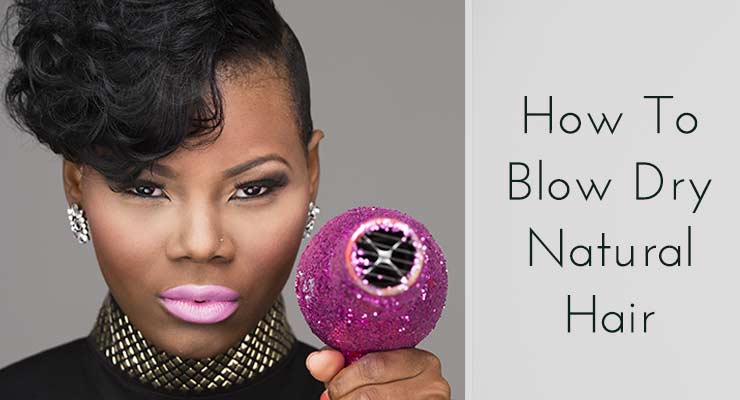
Blow-drying natural hair is a popular way to style it. It can make hair easier to manage and gives you more styling options. With the right method, you can dry and style your hair while getting the look you want.
In this guide, we’ll look at simple techniques, tools, and products that can help you get a smooth blowout on natural hair.
Many natural styles look great with lightly blow-dried hair. But curly and coily hair can be more prone to cuticle damage from too much heat.
A blow dryer can cause breakage, moisture loss, scalp burns, and heat damage when used the wrong way. So, how can you keep your hair healthy while still enjoying your favorite blow-dried styles?
Follow these simple steps to gently stretch your curls and coils. With a little care, you can style your hair while helping protect your natural texture.
Related: How To Use Philips Body Groomer
Table of Contents:
Preparing Your Hair for Blow Drying
Before you start blow-drying, you need to prepare your natural hair. A few simple steps can help protect your hair and make styling easier.
Pre-wash Routine for Natural Hair
- Detangle your hair before washing. This can help prevent breakage.
- Use a wide-tooth comb or detangling brush. Work slowly to remove knots and tangles.
Clean and Condition Your Hair
- Use a sulfate-free shampoo and a moisturizing conditioner made for natural hair.
- Gently massage the shampoo into your scalp. This helps remove dirt and product buildup.
- Follow with a deep conditioner. It helps add moisture and keep your hair soft.
Apply Heat Protectant Before Blow-Drying
- Always use a heat protectant before you blow-dry. Spray it on or apply a small amount of serum.
- Look for a product that protects from heat and adds moisture. This can help keep your hair from getting dry or damaged.

Tools and Equipment
The right tools can make blow-drying much easier. Here are some useful ones to have:
- Choose a blow dryer with adjustable heat settings. A diffuser can give you more control. Ionic or ceramic dryers may also help reduce frizz.
- Use sectioning clips to divide your hair into smaller sections. This makes the drying process easier.
- A wide-tooth comb or Denman brush can help remove tangles gently.
- Use a paddle brush or a round brush with natural bristles for a smoother finish.
Blow-Drying Techniques
The way you use your blow dryer can make a big difference. Try these simple methods.
Remove excess water first
- After washing, gently squeeze out extra water with a microfiber towel or an old T-shirt.
- Do not rub your hair hard with a towel. Rough drying can cause frizz and breakage.
Section your hair
- Divide your hair into small, easy-to-handle sections with clips.
- This helps spread the heat more evenly. It also makes each section easier to dry.
Use the tension method
- Take a small section of hair and hold it gently.
- Point the dryer down along the hair shaft as you dry.
- Work one section at a time until the hair looks smooth.
Try the diffuser method for curls
- Attach a diffuser to the dryer.
- Use a low heat setting.
- Place the diffuser around each section. Lift the hair at the roots to add volume and help define your curls.
Use the stretch method
- Use a comb or brush to gently stretch your curls as you dry.
- Start at the roots and move down the hair.
- Keep light tension on the hair to help stretch and lengthen the curls.
Keep the dryer moving as you work. Do not hold hot air on one spot for too long. Too much heat can dry out the hair and cause damage.

Choosing the Right Products
Using the right products can make your blowout look and feel better. Here are some simple things to look for.
- Heat protectant: Use a spray or serum to help protect your hair from heat.
- Leave-in conditioner: Choose one that adds moisture and makes your hair easier to manage.
- Blow-dry cream or serum: Look for products that help protect from heat and control frizz without making hair feel heavy.
- Natural oils or moisturizers: These can help keep moisture in your hair and add shine.
- Styling products: Gels, mousses, and creams can add hold and shape. Pick one that works with your hair type and does not weigh it down.
Blow-Drying Tips and Tricks
A few simple tips can help you get better results and protect your hair.
- Use the lowest heat setting that gets the job done.
- Keep the dryer about 6 inches away from your hair.
- Point the dryer downward along the hair. This can help make the hair look smoother.
- Finish with a cool shot to help set the style and reduce frizz.
- For more volume, flip your head upside down while drying. You can also use a round brush at the roots.

Aftercare and Maintenance
Taking care of your hair after blow-drying can help your style last longer. Try these simple tips:
- Moisturize your hair: Use a light oil or moisturizer to help prevent dryness.
- Protect your hair at night: Wear a satin or silk bonnet. You can also use a satin or silk pillowcase. This helps reduce friction and frizz.
- Choose protective styles: Try a bun, updo, or braid to help keep your blowout in place for longer.
- Refresh your style: Lightly spray your hair with water or a hair refresh spray. Then restyle it quickly as needed.
Essential Blowout Tools
- Blow dryer with a comb attachment
- Butterfly or duckbill clips
- Heat protectant
- Moisturizer

Revlon Compact Hair Dryer | 1875W Lightweight Design, Perfect for Travel, (Black)
- Compact Dryer. Easy, Everyday Use
- 2 Heat/Speed Settings
- Cool Shot Button
- Lightweight & Compact Design
- Removable End-cap for Easy Cleaning
Blow-Drying vs. Air-Drying
Here’s the truth. Blow-drying natural hair can cause damage to the hair strands. This is more likely when you use high heat often.
Blow-drying every week may not be the best choice for healthy hair growth. But with the right method, you can still use it as part of your hair care routine.
Light and less frequent heat can help stretch the hair. It may also make the strands easier to manage. EE recommends blow-drying no more than twice a month.
Air-drying is another way to dry natural hair. However, some studies have found that air-drying can also affect the hair. So, neither method is completely risk-free.
Instead of air-drying after every wash, you can sit under a hair dryer for about 15 minutes. Use a medium or low, cool setting to help limit heat exposure.
How to Blow-Dry Hair: By Trimmereo
We like how My Natural Sistas shows a quick way to blow-dry natural hair.
Blow-drying can add shine and volume. It can also make styling faster. My Natural Sistas uses a special blow-dryer comb to get a smooth result.
If your hair is very weak or damaged, you may want to skip the comb attachment. Hold the dryer 6 to 7 inches away from your hair. Use the tension method instead.
Always use a heat protectant before blow-drying. It can help protect your hair from heat damage.
Do you have any tips for blow-drying natural hair? Share them in the comments below!
FAQs:
Q: Is blow-drying natural hair damaging?
A: Blow-drying can damage natural hair if you do it the wrong way.
Use a low heat setting. Always use a heat protectant. Follow the right drying method to help reduce damage.
Q: How often should I blow-dry my natural hair?
A: Try to blow-dry your hair once a week or less. This helps limit heat exposure.
On other days, let your hair air-dry. You can also try other styles that do not need heat.
Q: Can I blow-dry my natural hair without a diffuser?
A: Yes, you can. But a diffuser can help spread the air more evenly.
It can also help reduce frizz and keep your natural curls more defined.
Q: How can I prevent heat damage when blow-drying my natural hair?
A: Use a heat protectant before you start. Keep the dryer on a low or medium setting.
Hold the dryer at a safe distance. Keep it moving as you dry. Do not focus hot air on one spot for too long.
Q: Can blow-drying natural hair cause moisture loss?
A: Yes, blow-drying can make hair lose some moisture.
Use moisturizing shampoo and conditioner. Deep conditioning can also help. A leave-in conditioner or light oil may help keep your hair from getting too dry.
Q: How can I reduce frizz while blow-drying my natural hair?
A: Start with a good wash and conditioning routine. After washing, gently blot your hair with a microfiber towel or an old T-shirt.
Do not rub your hair hard. You can also use a smoothing serum or cream to help control frizz.
Q: Do I need a special brush or comb for blow-drying natural hair?
A: Use a wide-tooth comb or Denman brush to remove tangles before drying.
For blow-drying, a paddle brush or round brush with natural bristles can help make your hair look smooth and neat.
Q: Can blow-drying natural hair help with length retention?
A: Blow-drying can help stretch your hair. This may reduce tangles and knots.
However, be gentle to avoid breakage. Keep your hair moisturized and use protective styles when possible.
Conclusion
Blow-drying natural hair can make styling easier. It also gives you more ways to style your hair.
Use the right technique, tools, and products. This can help you get a smooth blowout while keeping your hair healthy.
Enjoy the many styles you can create with blow-dried hair. With the right care, you can style your natural hair while keeping it looking and feeling good.
Leave a Reply