
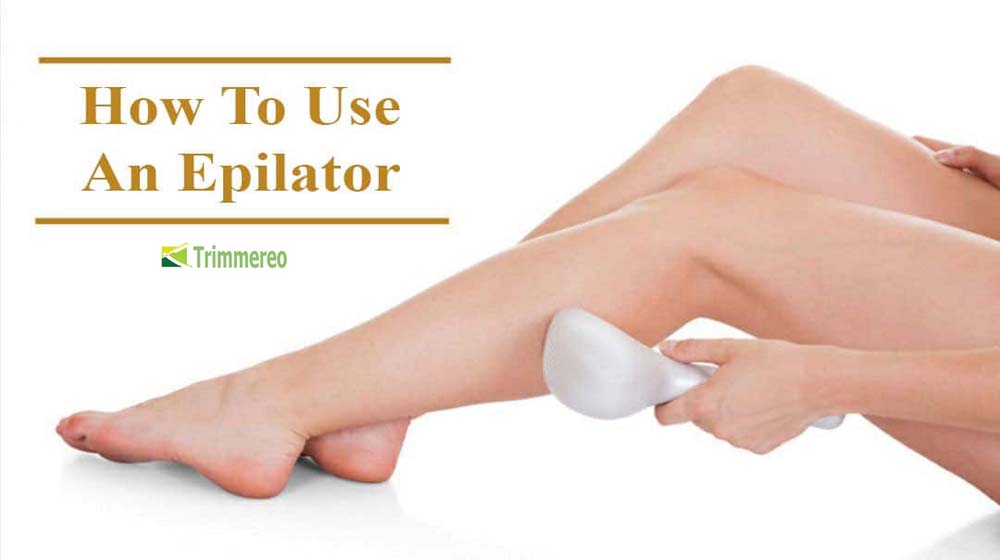
The legs are one of the open and visible parts of the body, and it brings elegance to a lady. Shaving off the hair on your armpit, face, hands, legs and private parts are something you should do regularly.
The shaving of hair from legs is known as epilating, and this is mainly associated with the ladies. Having the hair on your legs neatly shaved is sure to make you look beautiful and more adorable. Here in this article, I’ll show you how to use an Epilator.
Step-by-step epilating guide
I. Preparing for Epilation
Before diving into the epilation process, it’s essential to prepare your skin and the epilator for optimal results. Here’s what you need to do:
A. Exfoliation: Begin by exfoliating your skin a day or two before using the epilator. This step helps remove dead skin cells and reduces the chances of ingrown hairs.
B. Choose the Right Epilator: Making the right choice of device you’re going to use is something you should consider at first. Choose a high-quality device that can work efficiently and can last you for any time of use epilator can be used for the face, armpits etc.
There is also dry and wet epilators for different purposes. So make sure to choose a good quality epilator for use. You can also buy extra accessories for aid in shaving. For dry epilation, make use of moist skincare products.

Braun Silk-épil 3 3-270, Epilator for Women for Long-Lasting Hair Removal, 20 Tweezer System, Smartlight Technology, Massage Rollers, Shaver and Trimmer Head Included
- GENTLE: Epilator for women and perfect for beginners, providing up to 100% gentle hair removal in just one stroke
- EVERY HAIR: Smartlight technology reveals the finest hairs for no miss hair removal
- LONG LASTING: Weeks of long lasting smooth skin, not just days
- LESS PAIN: Gently stimulate and massage your skin to reduce pain with the massage rollers
- EFFICIENT: Adapts to every contour for an efficient epilation, even in difficult areas like the knee and underarm
C. Check Hair Length: Make sure your hair length is suitable for epilation. Ideally, the hair should be around 2-5mm long, allowing the epilator to grip it effectively.
D. Cleanse and Dry Your Skin: Thoroughly cleanse and dry your skin to remove any lotions, oils, or residue that may interfere with the epilation process.
II. Epilating Process
Now that you’re prepared, let’s dive into the step-by-step process of using an epilator effectively:
A. Start with a Test Area: Before proceeding to larger areas, test the epilator on a small, less sensitive area like your forearm. This allows you to gauge your pain tolerance and familiarize yourself with the sensation.
B. Choose the Right Angle: Hold the epilator at a 90-degree angle to your skin. This helps the tweezers or discs grip the hairs firmly for efficient removal.
C. Stretch Your Skin: Use your free hand to stretch the skin taut in the area you’re about to epilate. This helps the epilator glide smoothly and minimizes discomfort.
D. Begin Epilating: Move the epilator slowly against the direction of hair growth. Start with small sections at a time, gradually moving to larger areas. Ensure the epilator is in constant contact with the skin for effective hair removal.
E. Take Breaks if Needed: If you experience discomfort, take short breaks during the process. With regular use, your skin may slowly adjust to epilation. Over time, the discomfort often becomes less noticeable.
F. Switch Directions: For stubborn or hard-to-reach hairs, switch the direction of epilation. This technique ensures thorough hair removal and helps minimize the risk of ingrown hairs.
III. Aftercare Tips
Proper aftercare is crucial to soothe your skin and maintain the results of epilation. Follow these aftercare tips:
A. Moisturize Your Skin: Apply a soothing moisturizer or aloe vera gel after epilation to calm the skin. This helps reduce redness and keeps your skin hydrated.
B. Avoid Hot Showers and Baths: For the first 24 hours after epilation, avoid hot showers or baths, as they can irritate your freshly epilated skin. Opt for lukewarm water instead.
C. Exfoliate Regularly: To prevent ingrown hairs, exfoliate your skin regularly, preferably a few times a week. This practice helps remove dead skin cells and keeps your skin smooth.
D. Maintain a Routine: Consistency is key when it comes to epilation. Stick to a regular schedule for optimal results and to ensure you stay hair-free for longer.
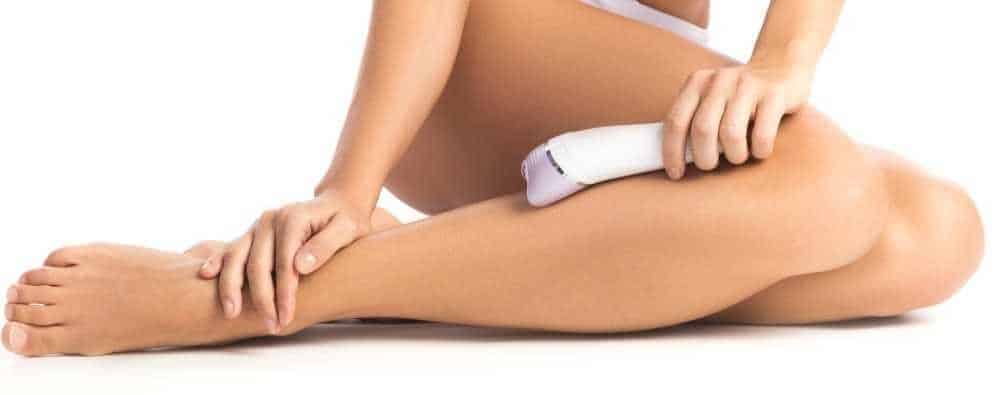
Epilation Tips and Tricks
Make Sure the Epilator is Fully Charged
For battery-powered epilators, make sure you charge it to the maximum capacity. You wouldn’t want to stop halfway when getting rid of the hair on your body. So making sure your epilator is ready is an excellent way to get started on epilating.
Epilate at Night
Epilating at night is highly recommended. Red skin is a common side effect of shaving, especially on areas like the legs and face. Shaving at night may help reduce the visible effects of redness since your skin has time to calm down.
If you plan to epilate, exfoliating your skin first can help remove dead skin cells. This may make hair removal easier and help reduce discomfort.
Exfoliate Your Skin
Exfoliating would help to reduce the texture of the skin and help in preventing significant rapid regrowth of hair on the areas that have been epilated. It also helps in easy removal of hair (especially when you leave them to in the case of a dry epilator) and produces less pain to your body.
Also, try to get some bath. Bath using warm or cold water, but never use hot water. Hot water tends to break the skin, the skin pores and increase pain while exfoliating. For underarms, make sure to wash and completely dry them.
Dry your skin after taking a bath, as this makes it possible for the epilator to have fast progress. Dry hairs are more comfortable to remove using an epilator.
Shave Slowly
Epilate by anti-growth direction, and try to keep calm. Take it slowly and continuously if you want to shave every hair off. Try to start from a point where your skin is less sensitive, as this would reduce the pain.
Also try to stretch your skin while shaving as this would reduce the pain more. This would also reduce the pain when you approach sensitive areas.
Start with the lowest speed setting when using an epilator. This can help reduce discomfort and make hair removal easier.
Be extra careful when using it on your underarms. This area is more sensitive, and the first use may feel sharp or uncomfortable. Going slowly can help your skin adjust to the process.
Proper Hygiene After Use
Proper hygiene would not only make you feel good after epilating or shaving, but it would also make your equipment last longer for you Taking a shower or bath after epilating would give you a protective feeling and also reduce itching and pain.
Please make use of shower gels, as they produce a cold sensation to cool down your skin. You can also make use of body cream or lotion to help soothe your skin and give it a fresh look.
For underarms, after shaving, you can make use of deodorants, and other underarms care agents. Also, make sure to clean your epilators and keep them in the optimum condition stated for them.
Washing your wet epilators would cause no harm, as they are designed to be used in a shower. Although, you are not advised to soak it in water, as its resistivity may wear off. Do not let water get into your dry epilator and try as much as possible to keep your epilators dust and dirt free. You can find more epilator and shaver on Trimmereo.com.
Epilating your skin is better when compared to shaving and waxing, as both tend to leave your skin looking haggard. So epilate as much as possible, as this would help reduce the pain you would encounter when shaving with an epilator next time.
FAQs:
Q1: How painful is using an epilator for hair removal?
The level of discomfort from epilation can be different for everyone. Many people describe it as a manageable feeling rather than severe pain.
With regular use, your skin may slowly get used to the process. The discomfort often becomes less noticeable over time.
Using a numbing cream or choosing an epilator with a built-in comfort feature may also help make the experience easier.
Q2: Can I use an epilator on sensitive skin?
Yes, an epilator can be used on sensitive skin. Choose a model made for sensitive areas, as it often comes with gentler tweezers or discs.
Start with a lower speed setting to reduce discomfort. It is also a good idea to test the epilator on a small patch of skin first before using it on larger areas.
Q3: How long does the hair need to be for effective epilation?
The ideal hair length for effective epilation is around 2-5mm. Hair shorter than this may be difficult for the epilator to grip, while hair longer than this may cause more discomfort during the process.
Q4: Can I use an epilator on different body parts?
Yes, epilators can be used on different areas of the body, including the legs, arms, underarms, bikini area, and face, depending on the model.
Many epilators come with special attachments for different areas. These attachments can help improve results and make the process more comfortable.
Q5: How often should I use an epilator for hair removal?
The frequency of epilation depends on how quickly your hair grows back. On average, it’s recommended to epilate every 2-4 weeks to maintain smooth skin. With regular use, you’ll notice that the regrowth becomes finer and slower over time.
Q6: How do I prevent ingrown hairs after using an epilator?
To help prevent ingrown hairs, exfoliate your skin a few times a week. This helps remove dead skin cells and keeps hair follicles clear.
Avoid wearing tight clothing right after epilation. Also, moisturize your skin regularly to keep it soft, hydrated, and healthy.
Q7: How do I clean and maintain my epilator?
To clean your epilator, remove the head and use a small brush or the cleaning brush that comes with the device. Some models also have washable heads that can be rinsed under running water.
Always follow the manufacturer’s cleaning and care instructions. Proper maintenance can help your epilator last longer and work better.
Q8: Can I use an epilator if I’m pregnant?
It is better to avoid using an epilator during pregnancy, as skin sensitivity may increase and the process could feel more painful.
For personal advice, consult your healthcare provider. They can recommend safer hair removal options based on your needs.
Conclusion
By following these expert tips on using an epilator, you can achieve professional-grade hair removal results in the comfort of your own home. Remember to prepare your skin before epilating. Choose the right device, follow the proper steps, and take care of your skin afterward.
With time and practice, you can become more comfortable using an epilator. This can help you enjoy smoother, hair-free skin that lasts longer.