
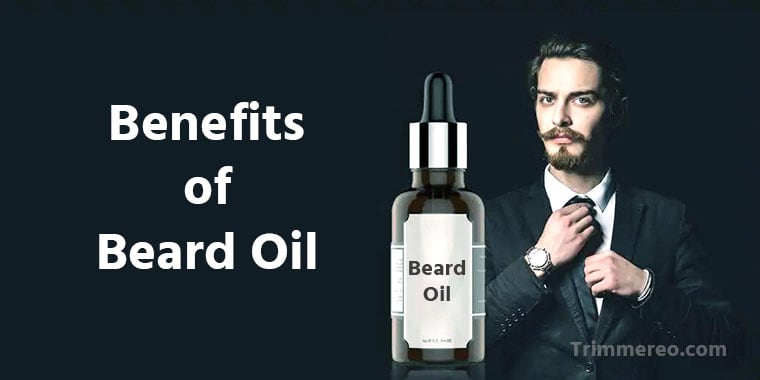
What if a few drops could turn a rough, itchy beard into something soft, healthy, and easy to manage?
Beard oil has become a daily essential for modern grooming, helping men nourish facial hair while keeping the skin underneath hydrated and irritation-free. When you understand beard oil ingredients, benefits, and side effects, it becomes much easier to choose the right product and avoid common mistakes that can harm your beard or skin.
In this guide, we cover more than just the basics. We look at what really matters, from natural carrier oils and essential oil blends to how they may affect beard growth, softness, and skin health.
We also compare popular beard oils and point out which ones work best for different beard types. If you struggle with dryness, itchiness, or uneven beard growth, this guide can help you find a beard oil that fits your needs. It may also help you get more from your daily grooming routine.
Understanding Beard Oil
Beard oil is a specially formulated grooming product designed to nourish, condition, and enhance the appearance of facial hair, particularly beards. It typically consists of a blend of carrier oils and essential oils.
Carrier oils, such as jojoba oil, argan oil, coconut oil, or grapeseed oil, form the base of beard oil. These oils contain vitamins, minerals, and fatty acids that help keep your beard and the skin underneath well hydrated. Carrier oils add moisture to the hair, making it softer, easier to manage, and less likely to break.
Essential oils serve a different purpose. They are usually added for their scent and may also offer some light skin benefits. They provide fragrance to the beard oil and offer various benefits to the skin and hair.
Common essential oils in beard oils include cedarwood, sandalwood, tea tree, peppermint, and lavender. People often use these oils because they can help calm the skin. They can also support a healthier-looking beard and help keep the skin underneath in better condition.
When you apply beard oil, it helps add moisture to both the facial hair and the skin underneath. This can reduce dryness, itching, and flakes, often known as beardruff.
It also helps to soften coarse beard hairs, making them more manageable and less prone to tangling. Additionally, beard oil can give your beard a healthy shine and a pleasant scent.
Purpose of Beard Oil and Benefits

One of our team members has listed down four core benefits of beard oil that every bearded guy should acknowledge. But does beard oil work? Yes, it does! Continue reading to know the why-
Moisturizing and Hydrating the Beard
One of the primary functions of beard oil is to moisturize and hydrate your facial hair. The natural oils in beard oil penetrate the hair shaft, preventing dryness, itchiness, and flakiness. The result is a softer, healthier beard that looks and feels great.
- Key oils for moisturizing:
- Argan oil
- Jojoba oil
Softening and Smoothing the Beard
Beard oil also helps in softening and smoothing your beard hair, making it more manageable and reducing tangling. By using beard oil regularly, you can enjoy a beard that feels luxuriously soft and looks well-groomed.
- Key oils for softening:
- Almond oil
- Coconut oil
Promoting Healthy Beard Growth
If you’re aiming for a fuller, healthier beard, beard oil can be your ally. Certain essential oils found in beard oil, such as cedarwood oil and peppermint oil, have properties that stimulate hair follicles, promoting healthy beard growth.
- Key oils for growth:
- Cedarwood oil
- Peppermint oil
Preventing Beard Itch and Irritation
Many men experience beard itch and irritation, especially during the early stages of growing a beard. Beard oil can help alleviate these discomforts by moisturizing the underlying skin and reducing dryness.
- Tips for reducing itch:
- Apply beard oil after cleansing and drying your beard.
- Massage the oil into the skin to soothe irritation.
Conditioning and Nourishing the Skin
In addition to benefiting your beard, beard oil also conditions and nourishes the skin beneath. This is crucial for maintaining a healthy environment for beard growth and preventing common issues like dry or flaky skin.
Providing a Subtle Fragrance
Beard oil often contains essential oils that add a subtle fragrance to your beard. These scents can make your grooming routine feel more enjoyable. Some fragrances may also help improve your mood and create a more relaxing experience.
Choose a scent that matches your personality and feels right for your style.
- Popular scents:
- Sandalwood
- Citrus
- Cedar
Beard Oil Ingredients
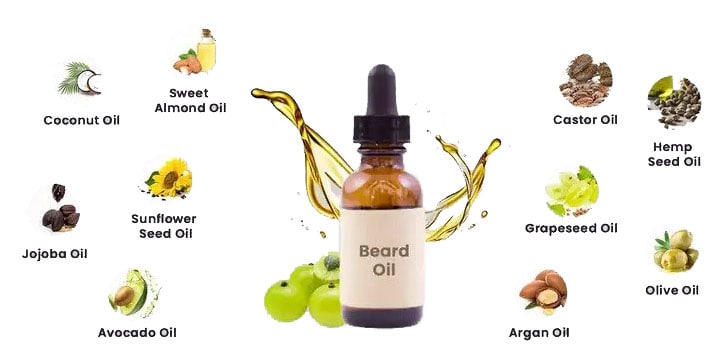
Ingredients are the first thing we took into consideration as it is the pillar of beard oils. Most of the beard oils consist of carrier oils and essential oils. Some high-quality beard oil brands also add vitamin E. It helps nourish both your beard hair and the skin underneath.
Carrier Oils: Nourishing and Moisturizing
- Jojoba Oil: This versatile oil closely resembles the natural oils produced by the skin, making it an excellent moisturizer and conditioner. Jojoba oil softens the beard, reduces dryness and flakiness, and promotes healthy hair growth.
- Argan Oil: Extracted from the kernels of the argan tree, argan oil is rich in antioxidants and vitamin E. It moisturizes and hydrates the beard, adds shine, and helps prevent split ends. Argan oil also nourishes the skin, promoting overall beard health.
- Sweet Almond Oil: With its lightweight texture and high vitamin content, sweet almond oil moisturizes the beard without leaving a greasy residue. It strengthens the hair, reduces breakage, and soothes dry, itchy skin.
- Coconut Oil: Known for its nourishing properties, coconut oil provides deep hydration to both the hair and skin. It helps soften the beard, reduces protein loss, and protects against environmental damage.
- Grapeseed Oil: Derived from grape seeds, this light and non-greasy oil are rich in antioxidants and vitamin E. Grapeseed oil moisturizes the beard, promotes hair growth, and has antimicrobial properties that help prevent skin issues.
- Castor Oil: Famous for its thick consistency, castor oil is a popular choice for beard growth. It strengthens the hair follicles, reduces breakage, and encourages thicker, fuller beard growth.
- Avocado Oil: Packed with essential fatty acids and vitamins, avocado oil deeply nourishes and moisturizes the beard. It helps repair damaged hair, prevents dryness, and soothes irritated skin.
Essential Oils: Fragrance and Therapeutic Benefits
- Cedarwood Oil: Known for its warm and woodsy scent, cedarwood oil promotes beard growth by improving blood circulation to the hair follicles. It has antibacterial properties that keep the beard clean and free from skin infections.
- Peppermint Oil: The invigorating scent of peppermint oil adds a refreshing touch to beard oil. It may help increase blood flow to the hair follicles, which can support healthy beard growth. It also leaves a cool feeling on the skin that may help ease itch.
- Sandalwood Oil: With its distinctive woody aroma, sandalwood oil has a calming effect on the mind and body. It soothes irritated skin, reduces inflammation, and adds a pleasant fragrance to your beard.
- Tea Tree Oil: Known for its antibacterial and antifungal properties, tea tree oil helps keep the beard clean and healthy. It combats beardruff, prevents acne, and reduces itchiness and inflammation.
- Lavender Oil: Renowned for its soothing and relaxing scent, lavender oil promotes a sense of calm. It has antimicrobial properties that keep the beard fresh and clean, and it also helps balance natural oils in the skin.
- Eucalyptus Oil: The invigorating aroma of eucalyptus oil rejuvenates the senses. It has antiseptic properties that cleanse the beard and skin, promoting a healthy and itch-free environment.
- Citrus Oils (such as lemon, orange, and grapefruit): These bright and uplifting oils add a pleasant citrusy scent to beard oil. Citrus oils have antibacterial properties that help cleanse the beard and promote a fresh feeling. They also have a mood-boosting effect, energizing both the beard and the mind.
- Patchouli Oil: With its earthy and musky aroma, patchouli oil adds a unique scent to beard oil blends. It has antimicrobial properties that keep the beard clean and fresh while providing a grounding and relaxing effect.
- Rosemary Oil: Known for its stimulating properties, rosemary oil promotes beard growth by improving circulation to the hair follicles. It also has antioxidant properties that help prevent damage to the hair and skin.
- Ylang-Ylang Oil: Ylang-ylang oil offers a sweet and floral fragrance to beard oil. It may help soothe the skin and support a better oil balance. This can leave both your beard and skin feeling fresh, comfortable, and well cared for.
- Frankincense Oil: With its warm and resinous aroma, frankincense oil adds depth to the fragrance of beard oil. It has anti-inflammatory properties that soothe the skin and promote a healthy environment for beard growth.
- Rosehip Oil: Extracted from the seeds of wild rose bushes, rosehip oil is rich in vitamins and essential fatty acids. It moisturizes the beard, improves skin elasticity, and helps repair damaged hair follicles.
Understanding the benefits of different carrier oils and essential oils can help you choose a beard oil that fits your needs. Try different blends to find the one that works best for your beard.
The right combination can help keep your beard nourished, support a healthier appearance, and leave behind a pleasant scent that matches your style.
Side Effects Of Beard Oil: Ingredients to Avoid
While beard oil is generally safe to use and provides numerous benefits, it’s essential to be mindful of certain ingredients that may cause adverse reactions or have potential side effects.
To ensure the health and well-being of your beard and skin, it’s advisable to avoid the following ingredients in beard oils:
- Synthetic Fragrances: Artificial fragrances often contain chemicals that can irritate the skin, leading to redness, itching, or allergic reactions. Opt for beard oils with natural essential oils for a safer and more pleasant fragrance experience.
- Mineral Oil: Derived from petroleum, mineral oil is a common ingredient in some cheaper beard oils. However, it can clog the pores, leading to breakouts or acne. Look for oils that use natural carrier oils instead.
- Silicones: Silicones like dimethicone are used in some grooming products, including beard oils, for their smoothing and softening effects. They can form a layer over the hair and skin that blocks moisture from getting in. Over time, this may lead to dryness and could cause damage if used often.
- Alcohol: Some beard oils contain alcohol, which can be drying to the hair and skin. It strips away natural oils, leading to dryness, flakiness, and potential damage. Look for alcohol-free options or those that use natural alternatives like witch hazel.
- Parabens: Parabens are preservatives commonly used in cosmetic products. However, they have been linked to hormone disruption and skin irritation. Opt for beard oils that are paraben-free or use natural preservatives.
- Phthalates: Phthalates are chemicals often found in synthetic fragrances and may have adverse effects on hormone balance. They can be irritating to the skin and potentially harmful. Choose beard oils that are phthalate-free or use natural fragrances.
- Sulfates: Sulfates, such as sodium lauryl sulfate (SLS) and sodium laureth sulfate (SLES), are harsh cleansing agents that can strip away natural oils and cause dryness. They are typically found in shampoos but may be present in beard oils with cleansing properties. Opt for sulfate-free options.
If you skip harsh or unwanted ingredients and go for natural, high-quality beard oils, you may lower the risk of side effects. Over time, this can help keep your beard looking better and your skin feeling healthier.
Always check product labels, learn about the ingredients, and choose a beard oil that suits your needs without unnecessary additives.
How to Apply Beard Oil
To get the most out of your beard oil, follow these steps for effective application:
- Cleanse and dry your beard.
- Dispense a small amount of beard oil into the palm of your hand.
- Rub your hands together to distribute the oil evenly.
- Massage the oil into your beard and underlying skin.
- Use a beard comb or brush to evenly distribute the oil throughout your beard.
- Tip: Adjust the amount of beard oil based on your beard length and personal preference.
Best Beard Oils Available

Viking Revolution Beard Oil for Men
- Sandalwood scent lasts for hours
- Soothes itch and irritation
- Argan & jojoba nourish and strengthen
- Soft, smooth, and frizz-free
- Not satisfied? We’ll make it right
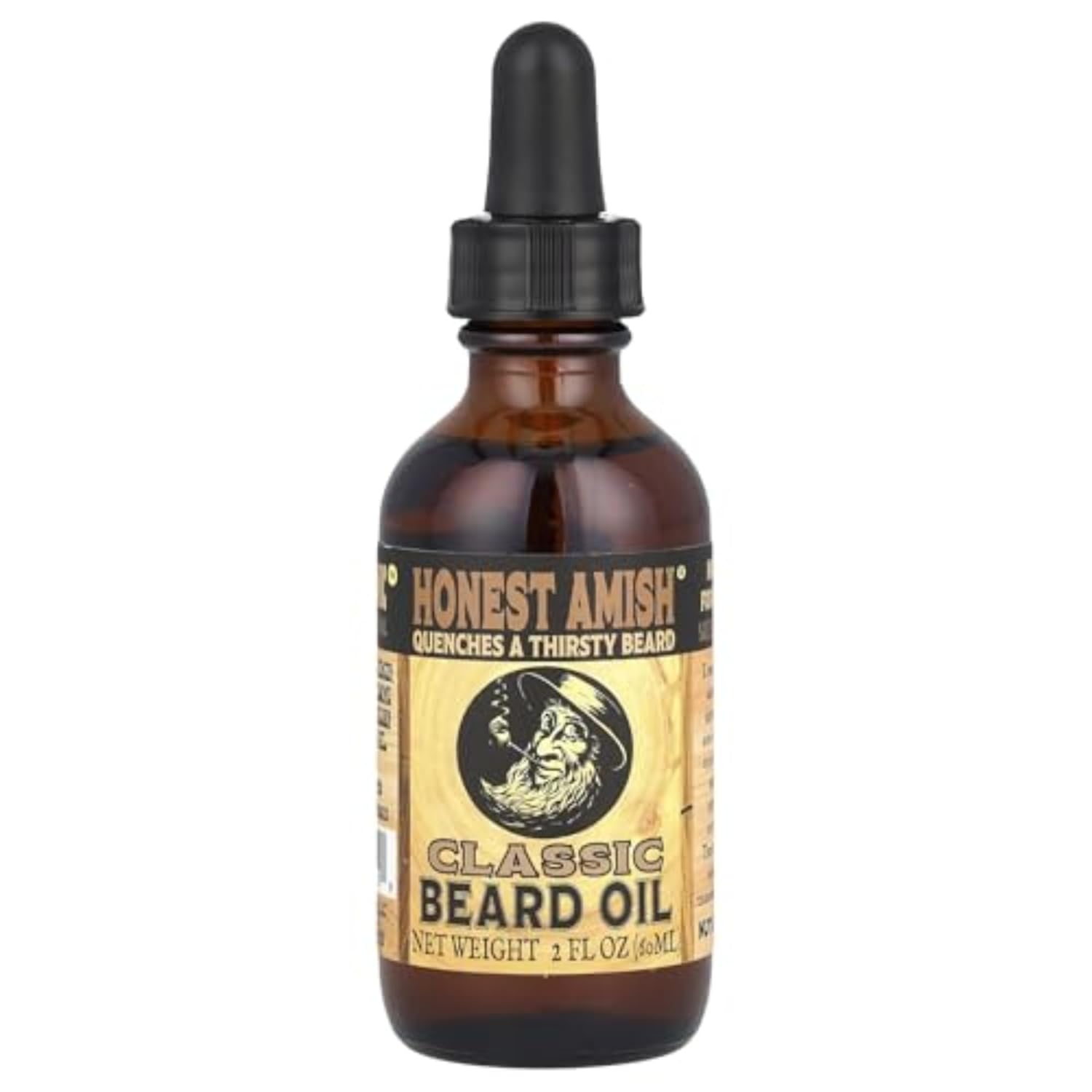
Honest Amish Beard Oil for Men
- Hand Crafted in the USA
- Organic Virgin Argan, Golden Jojoba and 6 More Premium Hydrating Oils
- All Natural and Organic Ingredients
- Softens Beard and Conditions Skin
- The Most Trusted Brand for Beards in the World

Every Man Jack Sandalwood Beard Oil
- Natural formula: no parabens or dyes; gluten-free
- Warm scent: Sandalwood with amber, vetiver & vanilla
- Softens hair, soothes skin, reduces dryness, adds light shine
- USA-made, sustainably crafted
FAQs:
Q1: What is beard oil, and why should I use it?
A1: Beard oil is a grooming product made from a blend of carrier oils and essential oils. Beard oil helps add moisture, nutrients, and care to both your beard hair and the skin underneath.
Regular use may help reduce dryness, itchiness, and beardruff. It can also leave your beard feeling softer, healthier, and easier to manage.
Q2: How often should I apply beard oil?
A2: How often you use beard oil depends on a few things, such as your beard length, thickness, and personal preference.
For most people, applying beard oil once or twice a day works well. You can change the routine based on how your beard feels and how your skin reacts to the oil.
Q3: How do I apply beard oil correctly?
A3: To apply beard oil, follow these steps:
Start with a clean, towel-dried beard.
Dispense a few drops of beard oil into your palm.
Rub your hands together to distribute the oil evenly.
Gently massage the oil into your beard, making sure to reach the roots and skin beneath.
Use a beard comb or brush to distribute the oil and style your beard as desired.
Q4: Can beard oil help with beard growth?
A4: Beard oil won’t make your beard grow faster on its own. Still, it can help create a better space for growth. The nutrients in carrier oils, along with the possible benefits of some essential oils, may support healthier hair follicles and help reduce breakage.
With proper care, your beard may look fuller and be able to grow to its natural potential.
Q5: Can I use beard oil on a short beard?
A5: Yes, beard oil works for any beard length, even short ones. If your beard is just starting to grow, it can still help. It keeps both the hair and skin moisturized, which may reduce itch and support healthier growth from the start.
Q6: Will beard oil make my beard greasy?
A6: When used in the right amount, beard oil should not leave your beard feeling greasy. It is important to use only a few drops and distribute it evenly through your beard. Start with a small amount and add more if needed, finding the balance that works best for your beard and skin.
Q7: Can I make my own beard oil at home?
A7: Yes, making your own beard oil is possible. It can work well, but you need to choose your oils with care. The mix matters. Look into each ingredient, what it does, and how much to use. Getting the right dilution is key.
DIY beard oil recipes can be a fun and cost-effective way to customize your grooming routine, but be mindful of using high-quality ingredients and maintaining proper hygiene during the preparation process.
Q8: Can I use beard oil on a mustache?
A8: Yes, beard oil can also be used on a mustache. Take a small amount on your fingertips and gently work it into your mustache. Try to reach the skin underneath as well.
This helps keep the hair soft and hydrated. It also makes your mustache easier to manage and can improve how it looks overall.
Conclusion
Beard oil is an important part of keeping your beard healthy and well-groomed. Its moisturizing properties help prevent dryness and itching, while its softening effect makes your beard easier to manage.
By caring for both your beard hair and the skin underneath, beard oil can improve the overall look and feel of your beard. Choose a high-quality, natural beard oil and apply it properly to get the best results.
With regular care, you can maintain a better-looking beard and wear your style with confidence.
Leave a Reply