

Growing and maintaining a healthy beard requires more than just letting it grow wild. To keep your beard soft and easy to manage, groom it regularly and take proper care of it. One of the key tools in a beardsman’s arsenal is beard oils.
While there are plenty of commercial options available, making your own homemade beard oil has its advantages.
In this article, we’ll explore various homemade beard oil recipes that you can craft using natural ingredients, customized scents, and targeted benefits.
Understanding Beard Oil Ingredients
To create an effective homemade beard oil, it’s important to understand the role of different ingredients.
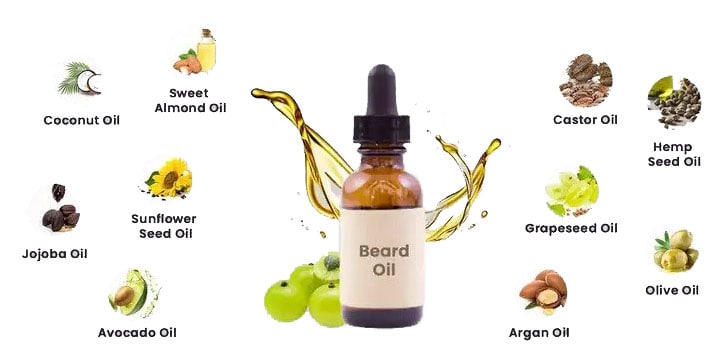
Carrier oils form the base of the beard oil and provide essential nutrients and moisturization. Some popular carrier oils for beard oil include:

- Jojoba oil: Known for its similarity to the natural oils produced by the skin, it moisturizes the beard without leaving a greasy residue.
- Argan oil: Rich in vitamins and antioxidants, it nourishes the hair and helps reduce frizz and split ends.
- Coconut oil: With its deep conditioning properties, it softens the beard and provides a pleasing aroma.
In addition to carrier oils, essential oils can be added for their unique scents and potential benefits. Some common essential oils for beard oil include:

- Cedarwood: Offers a woody scent and has antimicrobial properties that can help combat beardruff and itchiness.
- Sandalwood: Known for its soothing aroma, it also has antiseptic properties that promote a healthy beard and skin.
- Peppermint: Provides a refreshing scent and has a cooling effect, ideal for those with sensitive or itchy skin.
When choosing essential oils, consider personal preferences, desired scent combinations, and any skin sensitivities.
Essential Tools and Supplies
Before diving into the recipes, gather the necessary tools and supplies to create your homemade beard oil. You’ll need:
- Glass dropper bottles: These are ideal for storing and dispensing the beard oil.
- Measuring spoons: Ensure accurate measurement of carrier and essential oils.
- Funnel: Helps avoid spills and waste while transferring oils into the bottles.
- Mixing bowl or container: Use a non-reactive container to blend the oils thoroughly.
- Labels: Customize your bottles with labels for easy identification and a personalized touch.

With these tools in hand, you’re ready to start concocting your own beard oil blends.
Basic Homemade Beard Oil Recipe
Let’s begin with a simple and versatile homemade beard oil recipe that will serve as a foundation for customization. Here’s what you’ll need:
- 2 tablespoons of jojoba oil
- 1 tablespoon of argan oil
- 5-10 drops of essential oil (e.g., cedarwood and sandalwood blend)
To create the basic beard oil:
- In a mixing bowl or container, combine the jojoba oil and argan oil in the specified ratios.
- Add 5-10 drops of the desired essential oil or a blend of essential oils for scent.
- Mix the oils thoroughly using a spoon or a small whisk until well blended.
- Use a funnel to pour the mixture into a glass dropper bottle.
- Secure the bottle with a cap and label it with the beard oil ingredients and date of preparation.
Remember to shake the bottle gently before each use to ensure the oils are evenly distributed. Store the bottle in a cool, dark place to maintain the oil’s quality.
This basic recipe provides excellent moisturization and a pleasant scent, making it suitable for daily use.
Advanced Homemade Beard Oil Recipes
Once you’re comfortable with the basic recipe, you can experiment with specialized beard oil blends for specific needs. Here are a few examples:
Moisturizing Beard Oil
Dry or brittle hair requires extra nourishment. Try this moisturizing recipe:
- 1 tablespoon of jojoba oil
- 1 tablespoon of argan oil
- 1 tablespoon of coconut oil
- 5 drops of sandalwood essential oil
Combine the carrier oils and essential oil in a mixing bowl, and follow the same mixing and bottling instructions as the basic recipe.
The added coconut oil provides deep conditioning, resulting in a softer and more manageable beard.
Nourishing Beard Oil
If you’re looking to promote hair growth, this nourishing beard oil recipe is worth a try:
- 1 tablespoon of argan oil
- 1 tablespoon of castor oil
- 5 drops of rosemary essential oil
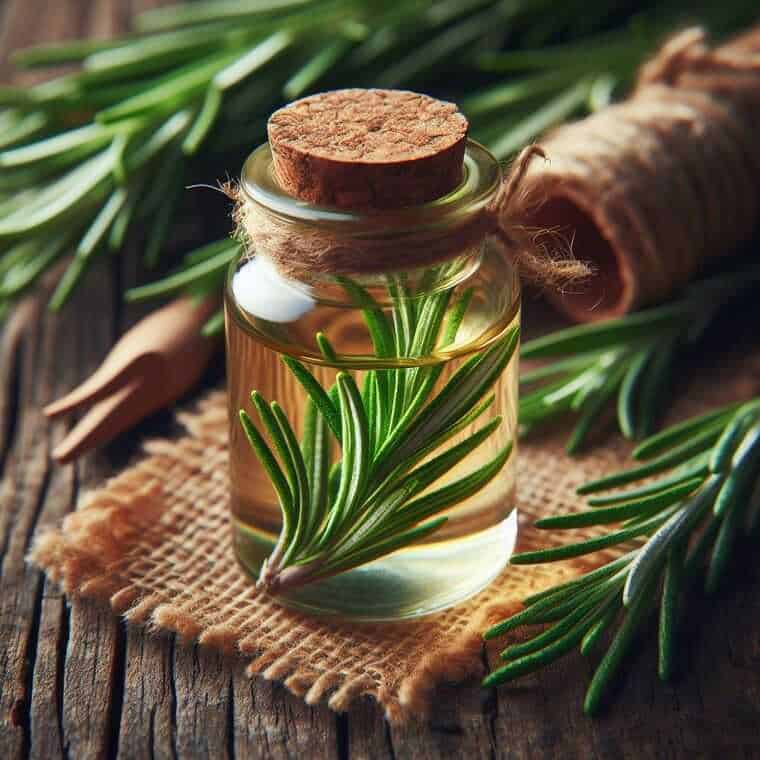
Castor oil is known for its potential to stimulate hair growth, while rosemary essential oil is believed to promote circulation.
Mix the oils together and bottle them as before. Apply this oil regularly to encourage a thicker and healthier beard.
Soothing Beard Oil
For those with sensitive skin or irritation, a soothing beard oil can help calm and moisturize the skin:
- 2 tablespoons of jojoba oil
- 5 drops of chamomile essential oil
Chamomile essential oil has anti-inflammatory properties that can alleviate skin redness and irritation. Combine the oils, blend them thoroughly, and transfer to a dropper bottle.
Apply this soothing oil daily or as needed to keep the skin beneath your beard calm and comfortable.
Beard Oil for Beardruff Prevention and Control
Beardruff, or beard dandruff, can be bothersome. Use this recipe to combat and prevent beardruff:
- 1 tablespoon of jojoba oil
- 1 tablespoon of argan oil
- 5 drops of tea tree essential oil
Tea tree essential oil possesses antimicrobial properties that can help combat the underlying causes of beardruff. Mix the oils together and store them in a dropper bottle. Regular application will keep your beard and skin flake-free.
Feel free to try these recipes and adjust the carrier oil ratios or essential oil blends to match your preferences and needs.
DIY Beard Oil Accessories and Enhancements
Enhance your homemade beard oil with these creative additions:
Custom Scents
To create your own signature scent, experiment with blending different essential oils. For example, mix cedarwood, sandalwood, and a little citrus for a unique, refreshing scent. Adjust the amounts until you get the smell you want.
Natural Extracts
Add natural extracts to your beard oil for additional benefits and fragrances. Consider using vanilla extract for a subtle, warm aroma or lavender extract for a relaxing and calming effect.
Carrier Oil Infusions
Infuse carrier oils with herbs or botanicals to add extra properties to your beard oil. For instance, steep chamomile flowers in jojoba oil for a few weeks to create a soothing and anti-inflammatory infusion.
Carrier Oil Substitutions and Combinations
Don’t be afraid to experiment with different carrier oils. Try substituting jojoba oil with sweet almond oil or combining argan oil with grapeseed oil.
Each carrier oil brings its unique qualities, so have fun discovering new combinations.
Safety Considerations and Precautions
While homemade beard oil is generally safe to use, it’s important to keep a few safety considerations in mind:
- Patch Testing: Before applying a new beard oil blend to your entire beard, perform a patch test on a small area of skin to check for any allergic reactions or sensitivities.
- Dilution Ratios: Follow the recommended dilution for essential oils to help prevent skin irritation. For most adults, a 1% to 2% dilution, or about 5 to 10 drops of essential oil per ounce of carrier oil, is usually safe.
- Storage: Keep your homemade beard oil in a cool, dark place to protect its quality and help it last longer. Sunlight and heat can slowly damage the oils.
- Discontinue Use: If you notice redness, itching, or any irritation, stop using the oil right away and get professional advice if needed.
How to Use Beard Oil
A well-groomed beard requires proper care and maintenance. Beard oil is an essential part of any beard care routine. It helps moisturize and nourish your beard while keeping the skin underneath healthy and comfortable.
In this guide, you’ll learn how to use beard oil step by step to keep your beard soft, healthy, and well-groomed.
Step 1: Choosing the Right Beard Oil
To start, it’s crucial to select the right beard oil that suits your needs and preferences. Consider the following factors when choosing a beard oil:
- Look for natural ingredients: Opt for beard oils made with natural carrier oils and essential oils to avoid harsh chemicals that can damage your beard and skin.
- Assess your specific needs: Determine what you want to achieve with the beard oil. Do you need extra moisturization, beardruff control, or a specific scent?
- Consider scent preferences: Choose a scent that you enjoy and that complements your natural aroma.
Step 2: Preparing for Application
Before applying beard oil, make sure your beard and skin are clean and ready for the oil’s absorption.
- Wash your beard: Use a gentle beard shampoo or cleanser to thoroughly wash your beard and remove any dirt, grime, or product buildup.
- Towel-dry your beard: Gently pat your beard with a towel until it is slightly damp. Avoid vigorous rubbing, as it can cause frizz and tangles.
- Ensure cleanliness: Wash your hands thoroughly to remove any dirt or debris that could transfer to your beard.
Step 3: Dispensing the Beard Oil
Once your beard is prepped, it’s time to dispense the beard oil for application.
- Shake the bottle: Give the beard oil bottle a good shake to ensure that the ingredients are evenly mixed.
- Measure the oil: Use the dropper provided or pour a small amount of oil (a few drops) into the palm of your hand. You can adjust the quantity based on the length and thickness of your beard.

Step 4: Applying the Beard Oil
Now it’s time to apply the beard oil to your beard and skin for maximum nourishment.
Rub your hands together: Spread the oil evenly across your palms by rubbing your hands together.
Massage the oil into your beard: Start at the roots and gently work the oil into your beard. Make sure it reaches the skin underneath. Then work your way down to the tips, covering the entire beard.
Use your fingers or a beard brush: Run your fingers through your beard or use a beard brush to distribute the oil evenly. This helps coat every part of your beard, including areas that are often missed.
Step 5: Styling and Grooming
After applying the beard oil, you can style and groom your beard according to your desired look.
- Comb or brush your beard: Use a beard comb or brush to gently comb through your beard in the desired direction. This will help detangle any knots or tangles and give your beard a neat appearance.
- Shape and style: If necessary, use additional grooming tools such as beard balm or beard wax to shape and style your beard according to your preference. These products can help control flyaways and provide added hold.
Step 6: Finishing Touches
Once you’ve applied the beard oil and styled your beard, complete the process with a few finishing touches.
- Wipe off excess oil: Use a clean towel or tissue to wipe off any excess oil from your hands and skin. This will prevent your hands from feeling greasy and ensure that the oil is primarily absorbed by your beard and skin.
- Rinse the dropper or cap: To prevent any buildup, rinse the dropper or cap of the beard oil bottle after each use. This will ensure that the oil remains fresh and free from any residue.
- Proper storage: Store your beard oil bottle in a cool, dry place, away from direct sunlight. This will help maintain the quality of the oil and prolong its shelf life.
Tips and Tricks for Using Beard Oil
To get the most out of your beard oil experience, consider the following tips and tricks:
- Start with a small amount: Apply a few drops of beard oil first, then add more if needed. It’s easier to add extra oil than to remove too much from your beard.
- Use it daily: For the best results, make beard oil part of your daily grooming routine. Regular use helps keep your beard soft, moisturized, and healthy.
- Try different scents: Experiment with different fragrances to find one that matches your preference and natural scent. Options range from woody and earthy to fresh citrus blends.
- Use a beard brush or comb: If you have a long or thick beard, use a brush or comb to spread the oil evenly and reach every part of your beard.
- Target dryness and itchiness: If your beard feels dry or itchy, gently massage the oil into the skin beneath your beard. This can help reduce discomfort and support healthier skin.
Using beard oil is an easy and effective way to keep your beard healthy, soft, and well-groomed. By following these simple steps, you can give your beard the nourishment and care it needs.
Choose a high-quality beard oil and prepare your beard before applying it. Massage the oil evenly through your beard and into the skin underneath.
With regular use, your beard can become softer, healthier, and easier to manage. Add beard oil to your grooming routine and enjoy a beard that looks great and feels its best.
FAQs
Q1: What are the benefits of using homemade beard oil?
A: Homemade beard oil provides several benefits for both your beard and skin. Beard oil keeps your beard moisturized and helps prevent dryness and itching. It also nourishes the skin beneath your beard, reducing flakes and beard dandruff. With regular use, it can support healthier beard growth and make your beard softer, smoother, and easier to manage.
Q2: How can I make my own beard oil at home?
A: Making beard oil at home is easy, and you can customize it to match your preferences.
To make it, mix carrier oils such as jojoba, argan, and coconut oil with a few drops of essential oils for scent. Try different ratios and fragrances until you find the one you like best.
Q3: Which carrier oils are best for making beard oil?
A: Several carrier oils are great for making beard oil. Popular options include jojoba oil, argan oil, sweet almond oil, and coconut oil.
These oils are light, non-greasy, and absorb easily into the beard and skin. They provide good moisture and nourishment.
Q4: Can I use olive oil or vegetable oil as a carrier oil for my beard oil?
A: While olive oil and vegetable oil can technically be used as carrier oils for beard oil, they are not recommended. These oils have a heavier texture and can leave a greasy residue on your beard.
It’s best to opt for lighter carrier oils specifically formulated for hair and skin, such as jojoba oil or argan oil.
Q5: How often should I use beard oil?
A: For the best results, it is recommended to use beard oil every day.
Daily use helps keep your beard and skin moisturized and nourished. It also supports healthy beard growth and helps prevent dryness, itchiness, and beardruff.
You can still adjust how often you use it based on your beard’s needs and your personal preference.
Q6: How much beard oil should I use for my beard?
A: The amount of beard oil you need depends on your beard’s length and thickness.
Start with a few drops and add more if necessary. Use enough oil to coat your beard evenly and reach the skin underneath without making your beard feel greasy.
Q7: Can I apply beard oil to a short beard?
A: Yes, beard oil is helpful for all beard lengths, including short beards.
Even if your beard is still growing, beard oil can moisturize the hair follicles and nourish the skin. This helps support healthy growth and reduce itchiness or irritation.
Q8: When is the best time to apply beard oil?
A: The best time to apply beard oil is right after washing your beard, when it is clean and slightly damp.
Towel-dry your beard gently, leaving it slightly damp, and then apply the beard oil. This allows the oil to lock in
Conclusion
With these homemade beard oil recipes, you can nourish and groom your beard naturally while enjoying the benefits of customization and personalization.
Whether you need extra moisture, want to support beard growth, or have specific beard concerns, these recipes are a great starting point for making your own beard oil.
Be sure to follow the safety guidelines and have fun experimenting with different blends until you find the one that works best for you.
Enjoy keeping your beard healthy, soft, and well-groomed with your homemade beard oil.
Leave a Reply