
We are all familiar, at least to some extent, with the global brand ‘Gillette’. While the name was once mainly linked with shaving creams and razors, the brand has now grown into a major name in the personal care industry.
Over the years, Gillette has expanded its range with products like deodorants, soaps, and other grooming items. But the main figure in this story is not the products themselves. It is the man behind the brand — the founder of ‘Gillette’, King Camp Gillette.
Most people know ‘Gillette’ as a brand that changed the way we think about shaving. Today, it is recognised worldwide for its wide range of personal care products, though its roots still remain in razors and shaving.
The Birth of the ‘Safety Razor’
The man behind this famous brand was King Camp Gillette. He started with a simple job as a salesman, but later became one of America’s most known entrepreneurs and inventors. His path to success was far from easy. It began with a strong desire to create a new product that could change the way people shaved.
In the early 20th century, the razor was the main tool people used for shaving. However, it was not always safe. A small mistake could cause deep cuts, bleeding, infections, and, in some cases, serious health problems.
Gillette faced this problem himself. He had a painful shaving accident that left visible scars on his face. Those scars later made his work as a door-to-door razor salesman even harder. Many customers judged him by his appearance and often shut the door before hearing his pitch.
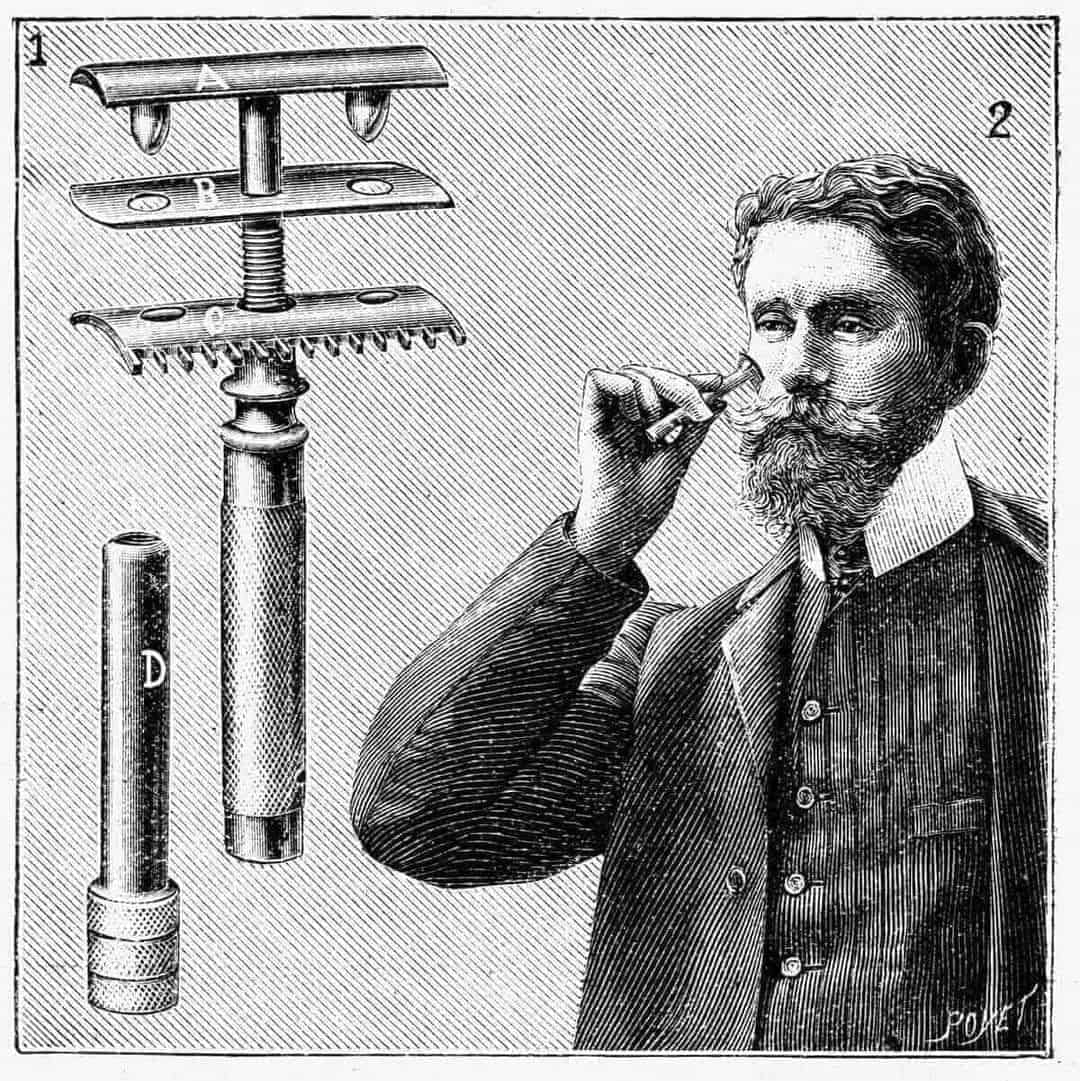
Fueled by determination and resilience, Gillette conceived the idea of a ‘Safety Razor‘ – a razor that could minimize accidents and make shaving a safer experience. He envisioned a two-part device – a recyclable stand and a disposable, single-use blade.
Related: The Rise of Electric Razors by Years: How They Changed the Shaving Game
The Long Road to Success
In 1895, Gillette created the blueprint for his ‘Safety Razor,’ but it took six years before it became a reality. Gillette did not have a technical background, so finding someone who could build his new shaving device was not easy. The idea was simple, but making it work was a big challenge.
Many engineers refused to help him. They believed creating a low-cost, disposable blade would be too difficult. They also doubted whether such a product could be made successfully.
Eventually, an MIT engineering graduate student named William Nickerson decided to take on the challenge. In 1901, Nickerson created the first working prototypes of Gillette razors and carbon-steel blades.
The basic shape and size of the blade have stayed almost the same even today.
From Humble Beginnings to Global Domination
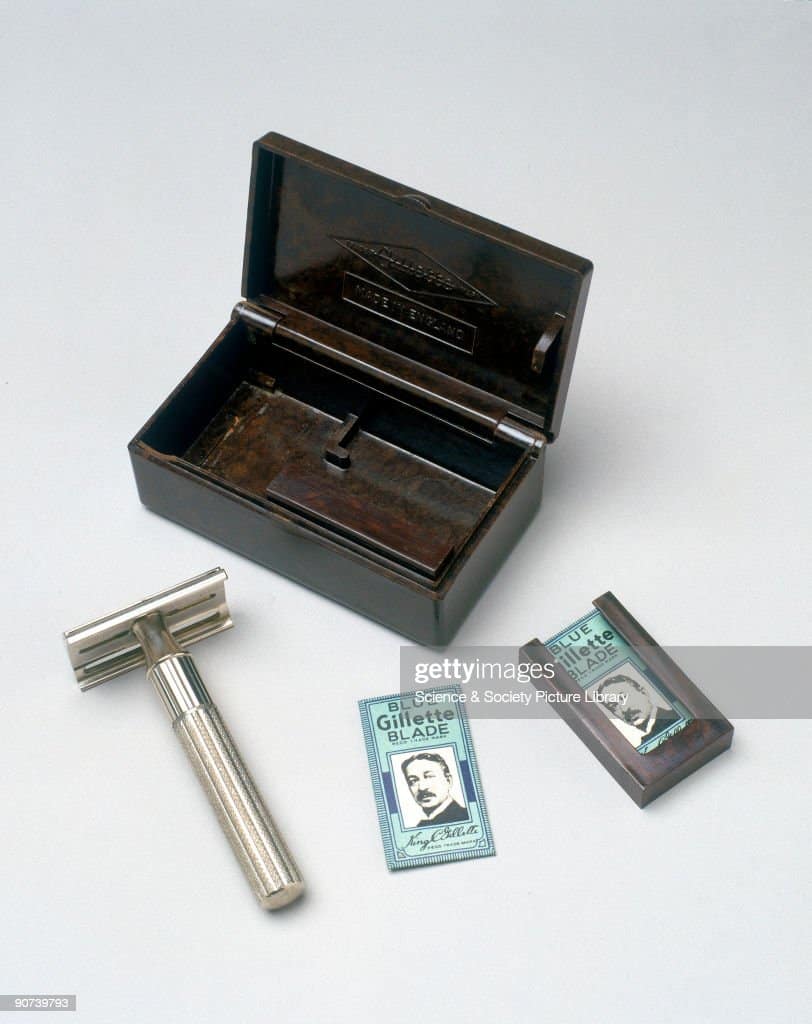
In 1903, King Gillette established a factory in South Boston, marking the beginning of commercial production of safety razors. Though the initial sales were modest, things took off rapidly. In 1904, the company sold 91,000 razors and 1.5 million blades. The business soon grew beyond the United States and reached major markets around the world. Gillette expanded its presence in countries like Canada, Germany, England, and France.
The brand also played an important role during World War I. The United States military provided Gillette safety razors to its soldiers so they could maintain their appearance while serving.
During the war, the army used more than 32 million Gillette blades. This helped make the brand even more popular among people across the country.
A Millionaire’s Legacy
Gillette’s groundbreaking invention transformed him into a millionaire within a few years, making him the richest man in Boston. With his patented safety razor design, he secured his position as the unrivaled leader in the market, protecting his innovation from replication.
The King’s Reign
For nearly three decades, King Camp Gillette ruled the world of shaving, leaving an indelible mark on the industry. Even after King Camp Gillette passed away in 1932, his influence continued to grow. Other companies followed his safety razor design, and the basic blade concept has remained almost the same even today.
Gillette’s journey is a story of patience, creativity, and determination. He faced many struggles but continued working on his idea. In the end, he changed the way people shaved and left behind a lasting impact, one shave at a time.
Gillette’s competitors
Over the years, Gillette has faced competition from various companies in the shaving and body care industry. While Gillette has held a dominant position, there have been several noteworthy competitors who have challenged the brand’s market share and innovation.
- Schick (Edgewell Personal Care): Schick is one of the most prominent competitors of Gillette. Founded in 1921, Schick introduced the first electric razor in 1931, competing directly with Gillette’s safety razor. The company has continued to innovate and offer a range of shaving products, including disposable razors and cartridge-based systems, to compete with Gillette’s offerings.
- BIC: BIC, famous for its ballpoint pens, entered the shaving market in the 1970s with its disposable razors. BIC’s razors gained popularity for their affordability and convenience, providing stiff competition to Gillette’s disposable razor lines.
- Dollar Shave Club (Unilever): Dollar Shave Club is a subscription-based shaving service that gained significant traction in the early 2010s. The company provided affordable razor blades that were sent directly to customers’ homes. This approach changed the traditional way people bought shaving products from stores. In 2016, Unilever acquired Dollar Shave Club, giving the brand access to Unilever’s global network, experience, and resources.
- Harry’s: Harry’s, another subscription-based razor company, launched in 2013. Like Dollar Shave Club, Harry’s focused on providing high-quality razors at a more affordable price. This approach helped the brand attract a large number of customers who wanted better value.
In 2020, Harry’s planned to merge with Edgewell Personal Care, the company that owns Schick razors. However, the Federal Trade Commission stopped the deal.
Regulators were concerned that the merger could reduce competition in the shaving market. They believed it might limit consumer choices and affect the balance of the industry.
- Personna: Personna is another long-standing competitor in the shaving industry. The company produces a range of razors and blades for both men and women. They have been a notable player in the private label market, supplying razors to other brands under different names.
- Feather: Feather, a Japanese company, is renowned for manufacturing extremely sharp and precise razor blades. These brands have built a strong position in the premium shaving market. They attract professional barbers and shaving enthusiasts who care about quality, detail, and precise results.
Even with strong competition from these brands and many others, Gillette has managed to keep its place as one of the top names in the shaving and personal care industry.
A big reason behind its long-term success is the company’s focus on change and improvement. Gillette continues to create new products and adjust to what customers want. Its global reach and strong brand image have also helped it stay ahead of competitors and remain a major player in the market.
Which other industries did Gillette enter?
Although Gillette became well known for shaving and personal care products, the company slowly expanded its range over time.
Entering new markets allowed Gillette to use its strong brand name and reputation for innovation. By creating different products, the company aimed to keep up with changing customer needs and discover new ways to grow. Some of the industries Gillette entered include:
- Oral Care: Gillette entered the oral care market with the introduction of toothbrushes and toothpaste. Using its reputation for quality and new ideas, the company entered the oral care market with different toothbrush models. It also introduced electric toothbrushes to compete with established brands in the industry.
- Personal Grooming: Beyond shaving products, Gillette expanded its personal grooming line to include grooming accessories such as trimmers, body groomers, and hair care products. These products catered to the growing demand for comprehensive grooming solutions.
- Feminine Care: Gillette expanded into the feminine care market with products like razors and shaving gels specially designed for women. They also introduced Venus, a brand exclusively focused on women’s shaving needs.
- Deodorants and Antiperspirants: Gillette ventured into the deodorant and antiperspirant market with a range of products for men and women. The company’s deodorants were promoted for their long-lasting protection and fresh scents.
- Fragrances: Gillette introduced a line of men’s fragrances, capitalizing on its reputation as a trusted brand among men. These fragrances offered a variety of scents to cater to different preferences.
- Skincare: Gillette launched skincare products like face washes, moisturizers, and post-shave balms to cater to consumers’ skincare needs.
- Body Washes and Shower Gels: Expanding into the personal care market, Gillette introduced a range of body washes and shower gels for men and women, aiming to provide a complete body care experience.
- Sunscreen and SPF Products: To cater to consumers’ sun protection needs, Gillette developed sunscreen and SPF products, offering various options for different skin types.
It is worth noting that Gillette’s move into these new areas did not bring the same level of success as its shaving products. The company had to compete with well-known brands that were already strong in those markets.
Still, expanding into different personal care categories helped Gillette build a wider presence in the grooming industry. It allowed the brand to reach more customers beyond just shaving products.
Gillette also benefited from its connection with parent company Procter & Gamble (P&G). Through P&G’s large distribution network, Gillette gained better access to markets and had more support when competing in these new segments.
FAQs: King Camp Gillette
Who is King Camp Gillette, and why is he famous in the shaving industry?
King Camp Gillette was an American entrepreneur who changed the shaving industry with his invention of the “Safety Razor.” His new razor design made shaving safer and easier. It quickly became popular around the world and changed how people shaved.
What is the story behind King Camp Gillette’s invention of the Safety Razor?
King Camp Gillette’s idea for the Safety Razor came after a painful shaving accident. He wanted to create a safer option than the traditional razor. This idea led to the development of a razor with a disposable blade and a reusable handle.
When did King Camp Gillette create the blueprint for the Safety Razor?
King Camp Gillette created the early blueprint for the Safety Razor in 1895. His goal was to design a shaving tool that could lower the risk of cuts and injuries.
What is the significance of the Safety Razor’s design by King Camp Gillette?
The Safety Razor introduced a new design with a reusable handle and replaceable blades. This idea became the foundation for modern shaving tools. The basic shape and size of Gillette’s blade design have remained almost unchanged for more than a century.
How did King Camp Gillette’s Safety Razor gain popularity worldwide?
Gillette’s Safety Razor became popular because it was safer and easier to use than traditional razors. By 1904, the company had sold around 91,000 razors and 1.5 million blades. Its success helped the brand expand into countries like Canada, Germany, England, and France.
Did King Camp Gillette’s Safety Razor play a role in World War I?
Yes, Gillette razors became an important tool during World War I. The United States military provided soldiers with Gillette safety razors and blades. More than 32 million blades were used by the army during the war.
How did King Camp Gillette’s Safety Razor business make him a millionaire?
The Safety Razor became a huge success and helped Gillette build his fortune. His patent protected the design, which gave the company an advantage in the market. This allowed Gillette to grow the business and become one of the leading names in shaving.
What is King Camp Gillette’s lasting legacy in the world of shaving?
King Camp Gillette changed the way people shave by making it safer and more convenient. His Safety Razor marked a turning point in shaving history. Even today, his invention continues to influence the industry. King Camp Gillette is remembered as a symbol of creativity, innovation, and the drive to solve everyday problems in a better way.
Leave a Reply